
Multifamily Investment Properties in Tyler, TX & East Texas
A multifamily investment is more than a collection of units and a cap rate. It is rental income, occupancy, leases, operating expenses, property taxes, insurance, maintenance, unit turns, capital improvements, management, and the ability of the property to stay competitive over time.
Ihrig Properties represents multifamily investors, owners, buyers, and sellers throughout Tyler and East Texas — pairing investment-sales brokerage with hands-on operations across hundreds of commercial and multifamily units.
Multifamily investment properties
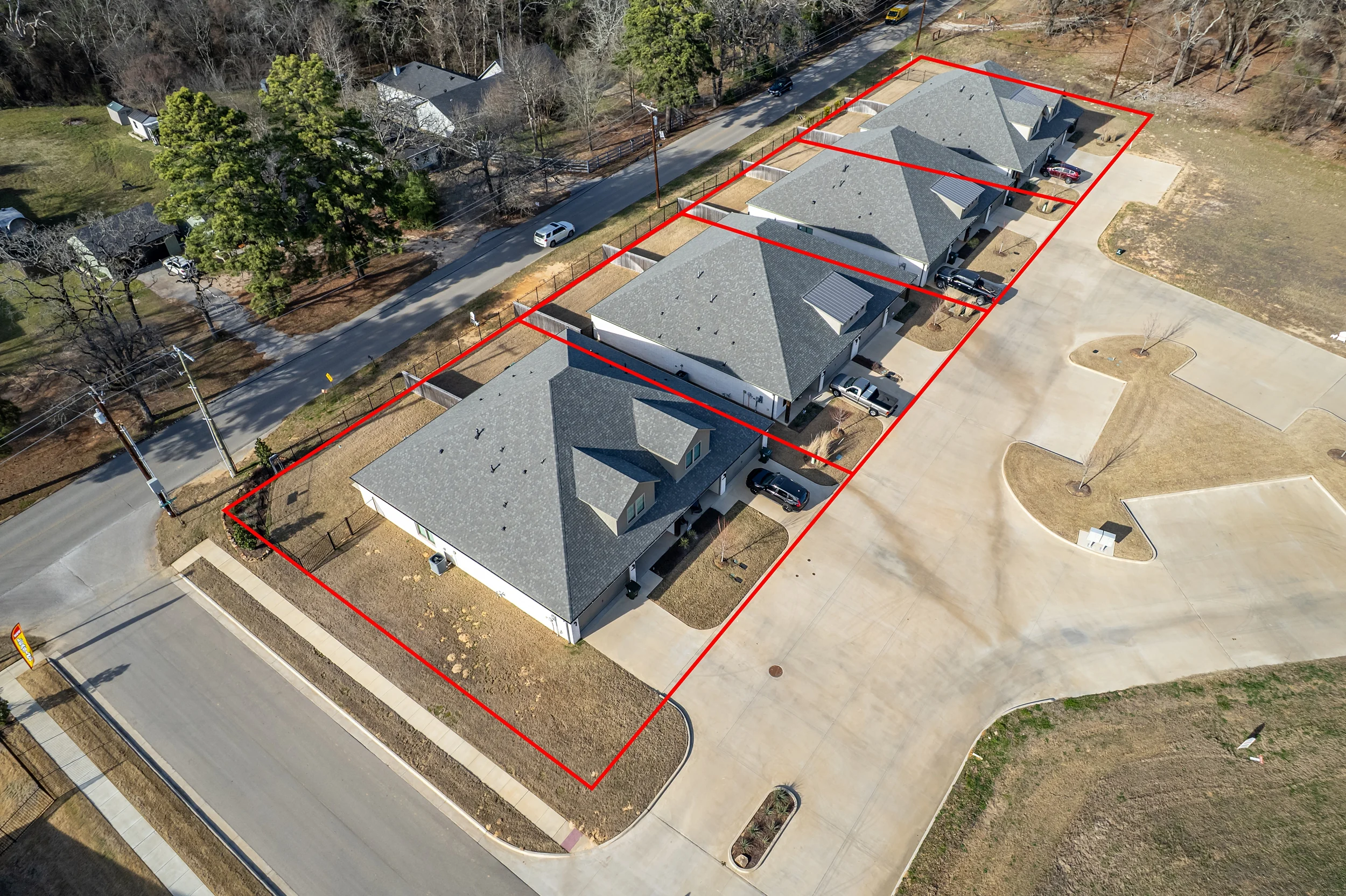
Henshaw Creek Duplex Community

6854 Lazy Vale Two-Unit Duplex
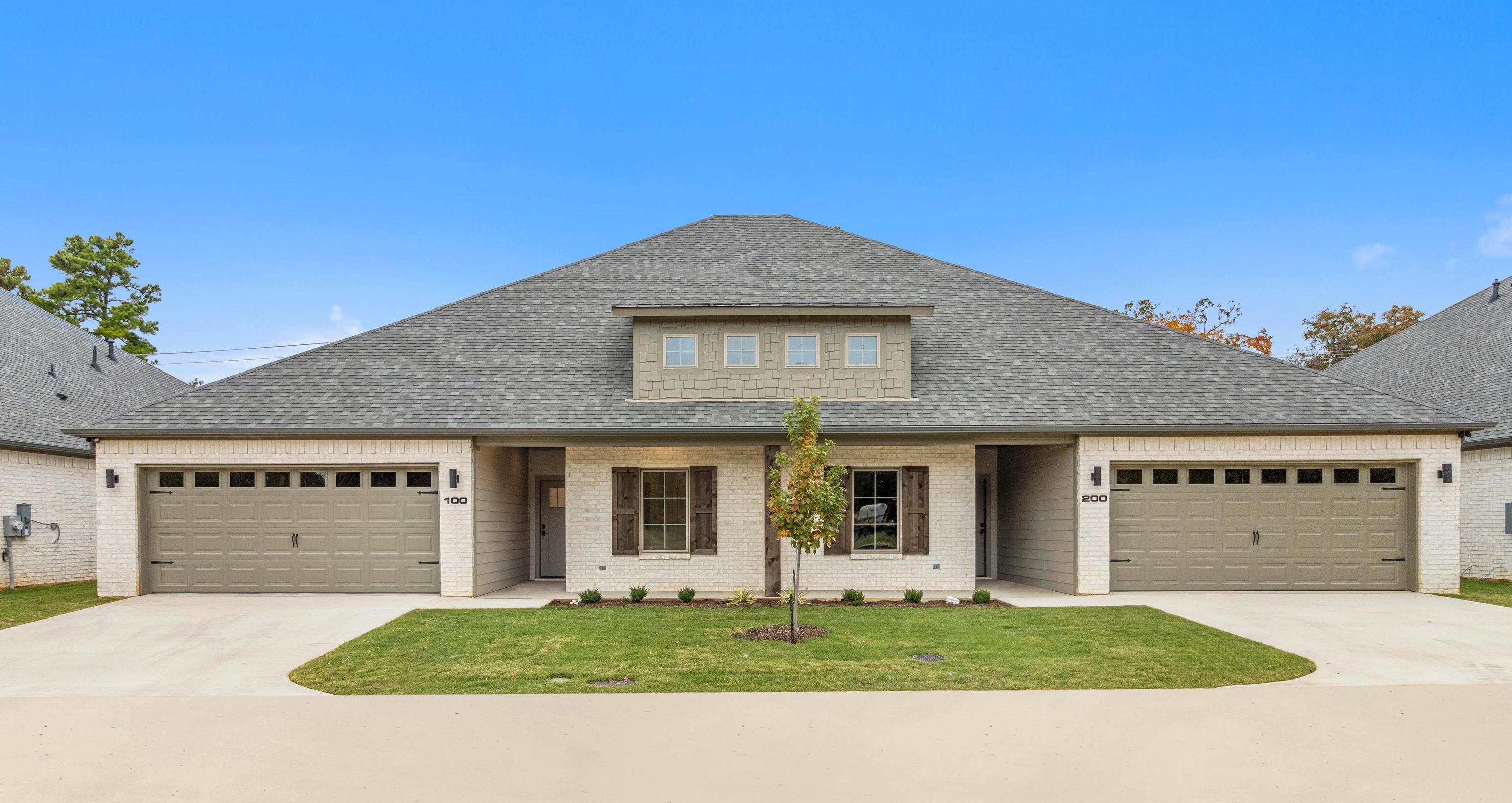
6858 Lazy Vale Duplex
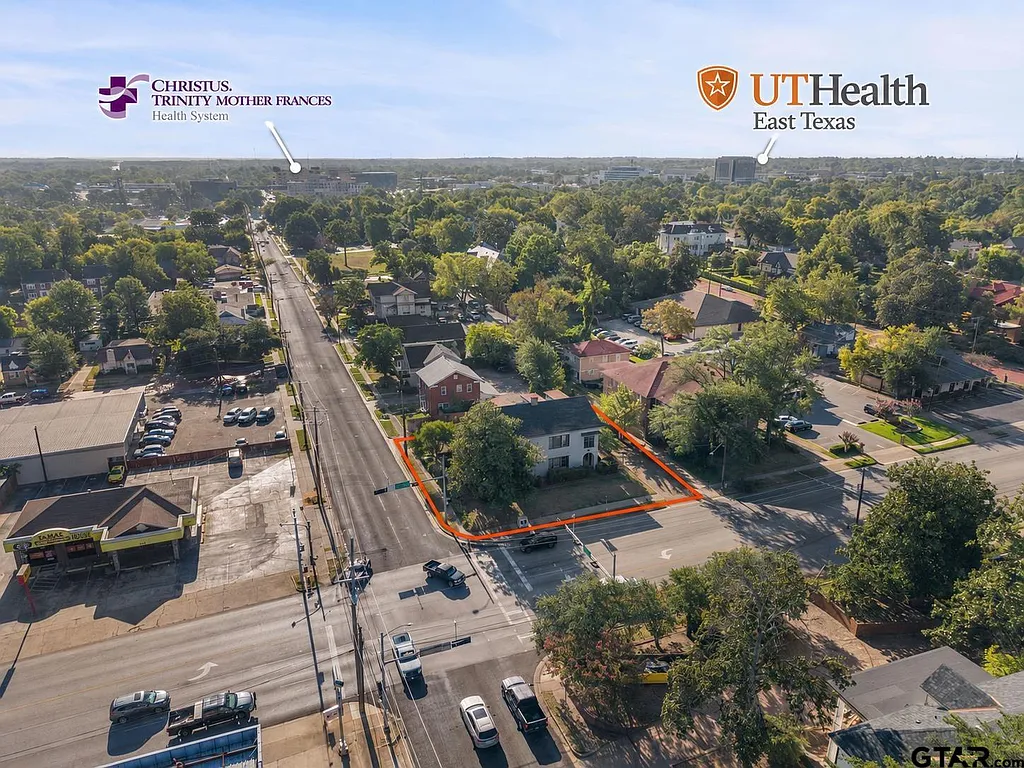
602 S. Broadway
Start with the rent roll — then look past it
The rent roll shows current occupancy and rental income: units, tenants, rents, lease dates, deposits, and status. But it's the beginning of the analysis, not the end. An investor still needs to understand:
- Are rents actually being collected?
- Are any units significantly below market?
- Are concessions being used, and what's the delinquency?
- When do leases expire, and how many units turn each year?
- Are units consistently occupied, with limited downtime between residents?
Current rent vs. market rent matters — but "market rent" isn't the highest number online; it should reflect the actual product (unit size, age, condition, garages, finishes). Loss-to-lease is the gap between contractual and potential market rent — real, but not guaranteed income; lease terms, retention, turnover, and renovation cost affect timing. And distinguish physical occupancy from economic occupancy: a 100%-occupied property with significant delinquency or concessions performs differently from one collecting nearly all scheduled rent.
NOI, cap rate & price per unit
A listing may advertise an NOI — investors should still understand how it was calculated:
- Are expenses based on actual history or projections?
- Is a realistic management expense included?
- Are maintenance and utilities reflected correctly?
- Has property tax been adjusted for a possible sale?
- Is insurance based on current premiums?
- Are unusually low expenses sustainable, and are one-time items treated correctly?
- Is vacancy reflected?
The cap rate is a useful lens, not the whole investment — it doesn't tell you property condition, debt terms, upcoming capital needs, rent upside, lease quality, or exit value. Two properties at the same 6.5% cap rate can differ enormously in risk, capital requirements, and future return. Price per unit (purchase price ÷ units) helps comparison but needs context — a newly built duplex unit with a garage and yard shouldn't be compared directly with a smaller conventional apartment unit. Investment buyers ultimately care about the relationship among price + income + expenses + risk + future potential.
Operating expenses, taxes, insurance & capital
Multifamily investments have recurring operating costs that vary considerably by property:
- Property taxes
- Insurance
- Repairs & maintenance
- Landscaping
- Utilities
- Pest control
- Trash
- Management
- Administrative
- Common-area expenses
- Turnover-related maintenance
Two items deserve special attention in Texas. Property taxes can be a significant expense — don't assume the seller's current tax bill remains unchanged after a sale; assessments can change. Insurance has become an increasingly important cost — obtain realistic figures during underwriting rather than using the seller's historical number. Separate operating expenses (routine repairs, minor HVAC, maintenance) from capital expenditures (roof, major HVAC, paving, structural, renovation): a property can show attractive current NOI while carrying substantial upcoming capital needs. And unit turns and resident turnover are both operating and investment issues — higher rent only helps if the resulting turnover doesn't erase it. Deferred maintenance can make a property look inexpensive when it's simply carrying costs the current owner hasn't yet paid.
Stabilized vs. value-add multifamily
Stabilized
Established operations, consistent occupancy, reliable collections, and limited immediate renovation. Investors seeking current income may prefer it — with less obvious value-add upside.
Value-add
An opportunity to improve performance through renovations, occupancy, management, below-market rent adjustments, expense reduction, added units, or repositioning. Higher potential returns — and execution risk. A $20,000 renovation producing $75/month reads very differently from one producing $300/month; the math matters.
Newer construction (like Ihrig's 2023-built South Tyler duplex assets) can offer modern systems and lower near-term capital needs at a higher acquisition price — but still requires evaluating income, expenses, rents, location, demand, and price.
Duplex investments & portfolios
Duplexes appeal to individual investors, small portfolio owners, and investors transitioning from residential rentals — offering simpler scale and conventional residential-style construction. But an individual duplex has greater income concentration than a large complex: if one unit in a two-unit property goes vacant, the property is 50% physically vacant. Scale changes the risk profile. Multiple duplexes — especially clustered in one development — provide a middle ground with more units, diversified income, easier maintenance routing, and portfolio-level sale potential. Some multifamily investments also include adjacent land capable of supporting additional units, creating a "buy existing cash flow + develop future inventory" strategy — which needs its own separate underwriting.
Management is where the investment is made or lost
Multifamily performance is heavily influenced by operations — rent collection, resident communication, lease administration, maintenance, vendor coordination, unit turns, reporting, budgeting, inspections, capital projects, renewals, and occupancy management. Ihrig Properties brings operational experience across hundreds of commercial and multifamily units, which changes the questions we ask during analysis. A buyer may underwrite a lower maintenance expense — someone still has to make the property operate at that number.
Whether you self-manage or use professional management, include a realistic management expense when comparing properties — even if you intend to manage personally — because the property may eventually be sold to an investor who underwrites professional management, and your own time has real value.
Due diligence & financing
Depending on the transaction, multifamily due diligence may include:
- Rent roll & leases
- Historical income
- Operating expenses
- Bank/collection records
- Tax information
- Insurance
- Utility bills
- Service contracts
- Maintenance records
- Capital improvements
- Resident deposits & delinquency
- Survey & title
- Environmental information
- Property condition
- Unit inspections
Financial statements don't show unit condition — unit inspections (flooring, appliances, HVAC, plumbing, fixtures, deferred maintenance) belong alongside financial review. Financing can substantially change returns: interest rate, loan-to-value, amortization, debt-service coverage, maturity, and reserves all matter. Lenders commonly evaluate DSCR (NOI ÷ annual debt service) — e.g., $200,000 NOI ÷ $150,000 debt service ≈ 1.33 — and investors may also look at cash-on-cash return (annual cash flow ÷ cash invested). No single metric replaces the complete analysis; coordinate with lenders and financial advisors early.
Buying, selling & pricing multifamily
A buyer should begin with strategy — unit count, geography, stabilized vs. value-add, target size, management plan, hold period, and cash-flow goals — then screen acquisitions against it (investment sales). A seller should think about what the next investor will examine (rent roll, occupancy, collections, NOI, expenses, condition, upside) — good records make the asset easier to underwrite (selling). Before selling, targeted operational improvements can affect buyer perception, but don't automatically spend heavily just because a sale is being considered. A multifamily Broker Price Opinion or price analysis can gauge market position without deciding to sell (a BPO is not an appraisal). And investors disposing of investment real estate sometimes use a 1031 exchange — Ihrig can assist with the real estate side; qualified tax/legal advisors and a qualified intermediary handle the exchange itself.
Our multifamily investment process
Define the Investment Strategy
Unit count, investment size, geography, risk profile, hold strategy, and operating expectations.
Identify Opportunities
We evaluate our own listings and opportunities across the broader East Texas market.
Review Initial Financials
Rent roll, occupancy, NOI, expenses, pricing, and metrics determine whether a property warrants deeper investigation.
Evaluate the Property
Physical condition, location, unit mix, and operating requirements are considered alongside the financials.
Underwrite the Opportunity
Investment assumptions are tested using information available from the property and market.
Negotiate the Transaction
Price, timing, due diligence, and other commercial terms are negotiated.
Complete Due Diligence
Financial, physical, title, environmental, financing, and other issues are investigated with the appropriate professionals.
Close & Operate
The acquisition becomes an operating property — where assumptions meet reality.
Multifamily brokerage informed by operations
Our multifamily experience doesn't stop when title transfers. Because we understand rent collection, unit turns, resident communication, maintenance, vendor management, reporting, capital projects, taxes, insurance, leasing, and occupancy, our investment analysis includes questions a spreadsheet alone can miss:
- Is this expense realistic?
- What will unit turns actually cost?
- How quickly can vacancy be corrected?
- Are current rents sustainable?
- Is deferred maintenance distorting the NOI?
- What will the next owner actually have to do during the first year?
A spreadsheet can describe a multifamily investment. Operations determine whether the spreadsheet was right.
Multifamily in Tyler & East Texas
Tyler's role as an East Texas center for healthcare, education, employment, retail, and regional commerce supports ongoing housing demand — but broad growth alone doesn't make an individual investment attractive. The property still has to be evaluated on location, rents, occupancy, competition, condition, expenses, price, management, future supply, and resident demand. South Tyler in particular combines residential growth, shopping, schools, healthcare, and expanding commercial development, creating a different rental environment from older central-Tyler properties. And scale changes operations: small multifamily offers easier oversight but greater income impact from a single vacancy, while larger communities offer diversification with more complex management. Neither is automatically superior — the property should fit the investor's capital, experience, and objectives.
Frequently asked questions about multifamily investments
What is considered multifamily real estate?
Multifamily generally refers to residential property containing multiple dwelling units, including duplexes, triplexes, fourplexes, apartment buildings, rental communities, and larger multifamily developments.
Are duplexes considered multifamily investments?
Yes. A duplex contains two residential units and can be owned as an income-producing multifamily property.
What should I look at before buying a multifamily property?
Investors commonly review rents, occupancy, rent rolls, collections, NOI, expenses, taxes, insurance, leases, property condition, deferred maintenance, unit mix, market rents, location, management, and financing.
What is NOI?
NOI means net operating income — property income after operating expenses but before debt service and certain ownership-level expenses.
What is a multifamily cap rate?
A cap rate compares a multifamily property's NOI with its price or value. Investors use it as one measure of return and perceived investment risk.
Is a higher cap rate always better?
No. Higher cap rates can reflect greater risk, older property, weaker location, capital needs, management challenges, or other factors. The reason behind the cap rate matters.
What does price per unit mean?
Price per unit divides the purchase price by the number of rental units. It's useful for comparison but should be evaluated together with rents, NOI, condition, unit size, and other characteristics.
What is a stabilized multifamily property?
A stabilized property generally has established operations, relatively consistent occupancy and income, and fewer immediate major changes required.
What is value-add multifamily?
Value-add multifamily generally offers the possibility of improving performance through renovations, rent adjustments, better operations, leasing, expense management, added units, or other active strategies.
What is loss-to-lease?
Loss-to-lease generally describes the difference between actual contractual rent and potential market rent.
What is a unit turn?
A unit turn is the process of preparing a rental unit for the next resident after the previous resident vacates.
Should management fees be included when underwriting multifamily?
A realistic management expense is commonly useful when comparing investment performance, even if the current owner manages the property personally.
Does Ihrig Properties manage multifamily property?
Yes. Ihrig Properties has operational experience across hundreds of commercial and multifamily units and provides property-management services.
Can Ihrig Properties help me buy a duplex?
Yes. Ihrig Properties represents investors evaluating duplexes, multifamily communities, portfolios, and other investment real estate throughout East Texas.
Can Ihrig Properties help sell multifamily property?
Yes. Ihrig Properties provides investment-sale and seller representation for multifamily and other income-producing assets.
Can Ihrig Properties help with a 1031 exchange?
Ihrig Properties can assist with the acquisition or disposition side of the commercial real estate transaction. Tax and legal requirements should be handled by qualified professionals and an appropriate qualified intermediary.
Invest in the operations, not just the offering memorandum
A multifamily property can look excellent in a spreadsheet — the investment still has to operate in the real world. Tell us what you're looking for, the kind of property you want to own, how active you want to be, and what the investment needs to accomplish. We'll help evaluate the real estate from there.