
Commercial Real Estate Investment Sales in Tyler, TX & East Texas
Commercial real estate investors are not simply buying buildings. They are buying income, leases, land, operating obligations, future capital requirements, risk, and the potential to create additional value over time.
Ihrig Properties provides acquisition and disposition advisory for commercial and multifamily investment real estate throughout Tyler and East Texas — across multifamily, mixed-use, office, industrial, retail, land, and value-add commercial property.
Investment sales should start with the investment
A property can be attractive real estate without being an attractive investment. Likewise, an imperfect property can sometimes present an interesting investment if the price, income, location, risk, and opportunity align.
Before recommending an acquisition or disposition strategy, we look at the property as an investment:
- What income does it produce, and how reliable is that income?
- What does it cost to operate?
- What do the leases look like, and when do they expire?
- What capital expenditures may be coming?
- Is there vacancy?
- Are rents above, below, or near current market levels?
- Can performance realistically be improved?
- What risks could affect future value?
- Who is likely to buy this property later?
- How does the investment fit the owner's objectives?
The building matters. The economics behind the building matter more.
Investment property disposition
Selling an investment property requires a different strategy from selling a vacant building to an owner-user. Prospective investors want to understand what they are acquiring — that often means examining:
- Rental income
- Net operating income
- Operating expenses
- Rent rolls
- Lease terms
- Tenant concentration
- Lease expiration schedules
- Historical occupancy
- Capital improvements
- Deferred maintenance
- Property taxes
- Insurance
- Management requirements
- Market rents
- Potential upside
- Future capital needs
Ihrig Properties helps owners organize that story and position the asset for investors who can understand and evaluate it.
Considering a sale? Request a confidential investment property review →Investment property acquisitions
Acquisition representation begins with the investor, not the inventory. Different investors have different requirements. One may prioritize stable income and limited near-term capital needs. Another may actively seek vacancy, below-market rents, operational inefficiencies, deferred maintenance, redevelopment potential, or another opportunity to create value.
We work with buyers to define investment criteria, identify potential opportunities, evaluate property-level information, compare alternatives, negotiate terms, and coordinate the transaction through due diligence and closing. The objective is not to find an investment property — it is to find one that fits the investment strategy.
Understanding net operating income
Net operating income, or NOI, is the income a property produces from operations after eligible operating expenses are deducted, but before items such as debt service and certain ownership-level expenses. It is one of the fundamental measures investors use to evaluate income-producing commercial real estate.
The calculation itself is simple. Determining whether the inputs are reliable can be considerably more complicated. An investor may need to understand:
- Whether rents are actually being collected
- Vacancy and collection loss
- Expense reimbursements
- Property taxes
- Insurance
- Repairs and maintenance
- Utilities
- Management expenses
- Recurring versus unusual expenses
- Concessions
- Other income
- Upcoming lease expirations
- Deferred capital needs
Two properties reporting similar NOI can have very different risk profiles. That is why underwriting should go beyond accepting a number on an offering memorandum.
What is a cap rate?
A capitalization rate, commonly called a cap rate, is one way investors compare a property's net operating income to its price or value.
For example, a property producing $100,000 in annual NOI and valued at $1,250,000 would have an 8% capitalization rate. A cap rate can be useful, but it should not be treated as the only part of the analysis. A higher cap rate does not automatically mean a better investment, and a lower cap rate does not automatically mean the property is overpriced. Cap rates can reflect differences in:
- Location
- Property type
- Tenant quality
- Lease duration
- Building condition
- Growth expectations
- Vacancy
- Capital requirements
- Market liquidity
- Perceived risk
The question is not simply "What is the cap rate?" The better question is: Why is the market assigning this property that cap rate?
The rent roll tells part of the story
For a multi-tenant investment property, the rent roll is one of the first documents worth understanding. It can show current tenants, rental rates, unit or suite sizes, lease commencement and expiration dates, occupancy, and rent increases. But the rent roll alone rarely tells the entire story. An investor may also want to review the actual leases and ask:
- Which tenants expire soon?
- Are any tenants responsible for a disproportionate share of income?
- Are rents above or below current market levels?
- Are options available to tenants?
- Who pays operating expenses?
- Are there unusual landlord obligations?
- Have tenants historically renewed?
- Is there vacant space that needs capital before leasing?
- Are there concessions not obvious from the rent roll?
A property with 100% occupancy can still carry significant lease risk. A property with vacancy may still present meaningful upside. Context matters.
Lease expiration risk
A property's current income is important. So is the likelihood that the income continues. A building with several leases expiring within a short period can present a very different investment profile from one with staggered lease expirations. Investors may evaluate:
- Remaining lease term
- Tenant renewal probability
- Market rent versus contract rent
- Cost of replacing a tenant
- Tenant improvement requirements
- Leasing commissions
- Downtime
- Free-rent expectations
- Changes in demand for the property type
This is one reason an investor should look beyond today's NOI. Future leasing costs can materially affect future returns.
What makes a commercial property a value-add investment?
A value-add property generally presents an opportunity to improve financial or physical performance through active ownership. Potential opportunities might include:
- Leasing vacant space
- Increasing below-market rents over time
- Improving tenant retention
- Reducing controllable expenses
- Renovating dated space
- Correcting deferred maintenance
- Improving property management
- Reconfiguring underused areas
- Improving signage or appearance
- Developing excess land
- Repositioning the property's use or market position
But "value-add" is not magic language that makes an investment good. Every improvement has a cost. The relevant question is whether the expected improvement in income, occupancy, marketability, or future value reasonably justifies the capital and risk required to achieve it.
Deferred maintenance and capital expenditures
A property can produce healthy current income while carrying significant future obligations. Roofing, HVAC systems, parking areas, exterior work, plumbing, electrical systems, structural components, elevators, life-safety systems, and other major property elements can eventually require substantial capital.
An investor should understand the difference between operating expenses required to keep the property functioning today and capital expenditures that may be required to preserve or improve the asset over time. A purchase price that looks attractive before accounting for $300,000 of near-term capital work may look very different afterward. Property condition belongs in the investment analysis.
Stabilized vs. value-add commercial real estate
Stabilized property
A stabilized investment generally has predictable operations, established occupancy, relatively consistent income, and fewer major immediate changes required. The investor may be primarily seeking ongoing income and value preservation.
Value-add property
A value-add investment generally requires more active execution — leasing vacant space, renovating, adjusting rents, improving operations, or repositioning some element of the property. Potential returns may be higher. So can execution risk.
Neither strategy is inherently better. The right profile depends on the investor's objectives, capital, expertise, timeline, and risk tolerance.
Evaluating an investment property acquisition
Before acquiring income-producing real estate, investors may need to evaluate several categories of information. An investor does not need every property to be perfect — they need to understand what is imperfect and whether the price and strategy adequately account for it.
Financial Performance
- Historical income
- Operating expenses
- NOI
- Occupancy
- Rent collection
- Capital expenditures
- Property taxes
- Insurance
Tenant & Lease Structure
- Rent roll
- Lease expirations
- Renewal options
- Tenant concentration
- Expense reimbursements
- Contract rents vs. market rents
Physical Property
- Building condition
- Roof
- HVAC
- Parking
- Site improvements
- Deferred maintenance
- Future capital needs
Market Position
- Location
- Competing properties
- Current rents
- Vacancy
- New development
- Tenant demand
- Comparable sales
Investment Strategy
- Hold period
- Income requirements
- Improvement plan
- Financing
- Exit assumptions
- Expected future buyer
Due diligence for commercial investment property
Due diligence is where the investment thesis gets tested against the actual property. Depending on the asset and transaction, investors may review or obtain:
- Leases and amendments
- Rent rolls
- Historical operating statements
- Property tax records
- Insurance information
- Service contracts
- Utility information
- Surveys
- Title information
- Environmental reports
- Property-condition assessments
- Tenant information
- Capital-improvement history
- Zoning and use information
- Existing warranties
- Financing requirements
Different property types require different levels of investigation. The purpose is straightforward: understand what you are buying before you own it. Qualified legal, tax, engineering, environmental, accounting, and other professional advisors should be involved where appropriate.
Investment property financing matters
The performance of a leveraged real estate investment is affected not only by the property but also by the debt used to acquire it. Interest rate, loan-to-value, amortization, maturity, debt-service requirements, lender reserves, and other financing terms can materially change cash flow and investor returns.
A property that meets an investor's objectives under one financing structure may not meet them under another. Ihrig Properties focuses on the real estate side of the acquisition and can work alongside the investor's lender and other financial advisors as financing is evaluated.
Investment analysis by property type
Multifamily investment sales
Multifamily analysis can involve both property-level and unit-level considerations. Depending on the asset, investors may evaluate:
- Unit count and mix
- Current vs. market rents
- Occupancy, collections, turnover
- Renovation history
- Utility structure
- Maintenance
- Property taxes & insurance
- Management expenses
- Deferred maintenance
- Opportunities for unit or property improvements
Our experience overseeing commercial and multifamily units provides an operating perspective useful when evaluating the difference between current performance and what may realistically be achievable.
Office investment properties
Office investment decisions frequently depend heavily on lease structure. Factors may include:
- Tenant quality
- Remaining lease term
- Renewal probability
- Tenant improvements & leasing commissions
- Vacancy & parking
- Property condition & location
- Alternative uses
- Market demand
- Cost to release space
An office property with high current income can still require substantial future leasing capital. Understanding that exposure is important before acquisition or disposition.
Industrial investment properties
Industrial properties can offer relatively straightforward occupancy models, but building functionality matters considerably. Investors may evaluate:
- Tenant and lease quality
- Clear height
- Loading & truck access
- Yard availability
- Building configuration & office percentage
- Location relative to transportation routes
- Power
- Site size
- Future tenant demand
- Replacement cost
- Expansion potential
The physical utility of an industrial property can significantly affect future leasing and resale.
Retail investment properties
Retail performance can depend heavily on both the real estate and the tenants occupying it. Considerations may include:
- Tenant mix
- Lease expirations
- Traffic, visibility & access
- Parking
- Surrounding demographics
- Co-tenancy
- Sales performance where available
- Expense structure
- Anchor or major-tenant exposure
- Nearby development
- Alternative tenant demand
A full center can still carry tenant-concentration or rollover risk. A partially vacant center may present an opportunity if the location and economics support a realistic leasing strategy.
Mixed-use and other commercial investments
Mixed-use investments require the investor to understand how multiple property uses interact. Retail, office, residential, and other components can carry different lease structures, demand characteristics, operating expenses, and capital requirements.
The advantage may be diversification. The challenge is operational complexity. We help investors evaluate the real estate in the context of the complete asset rather than treating every component as if it operates the same way.
Investment properties for sale in East Texas
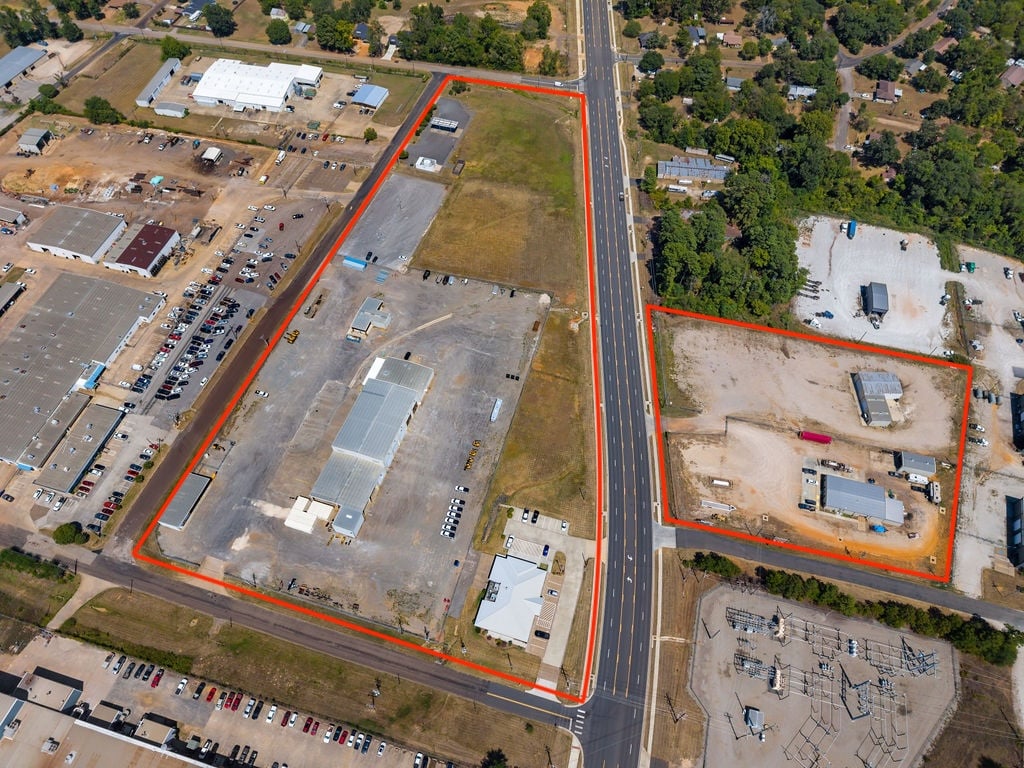
Harrison Road Industrial Investment Portfolio
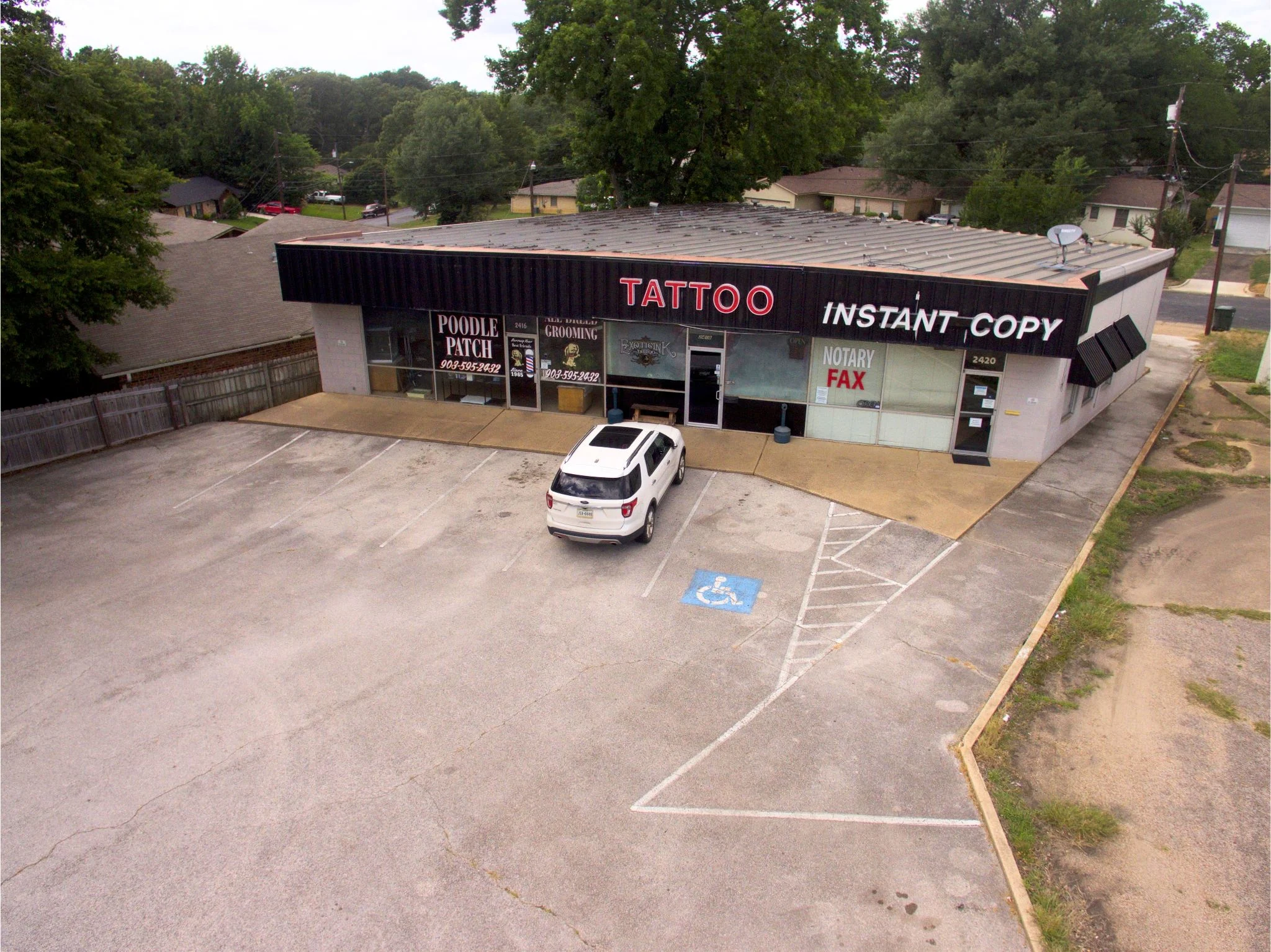
Loop 323 Three-Tenant Retail Center
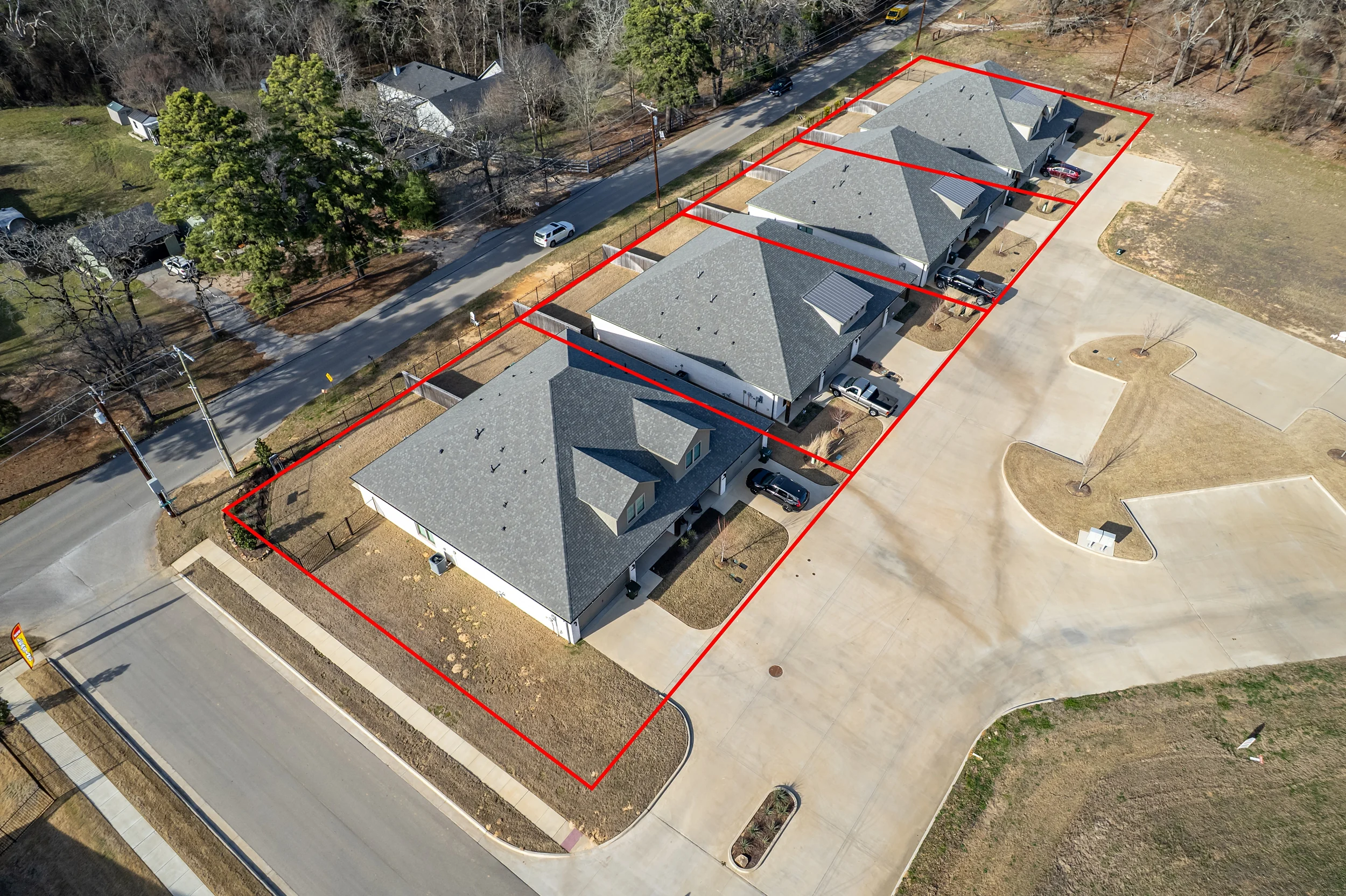
Henshaw Creek Duplex Community

6854 Lazy Vale Two-Unit Duplex
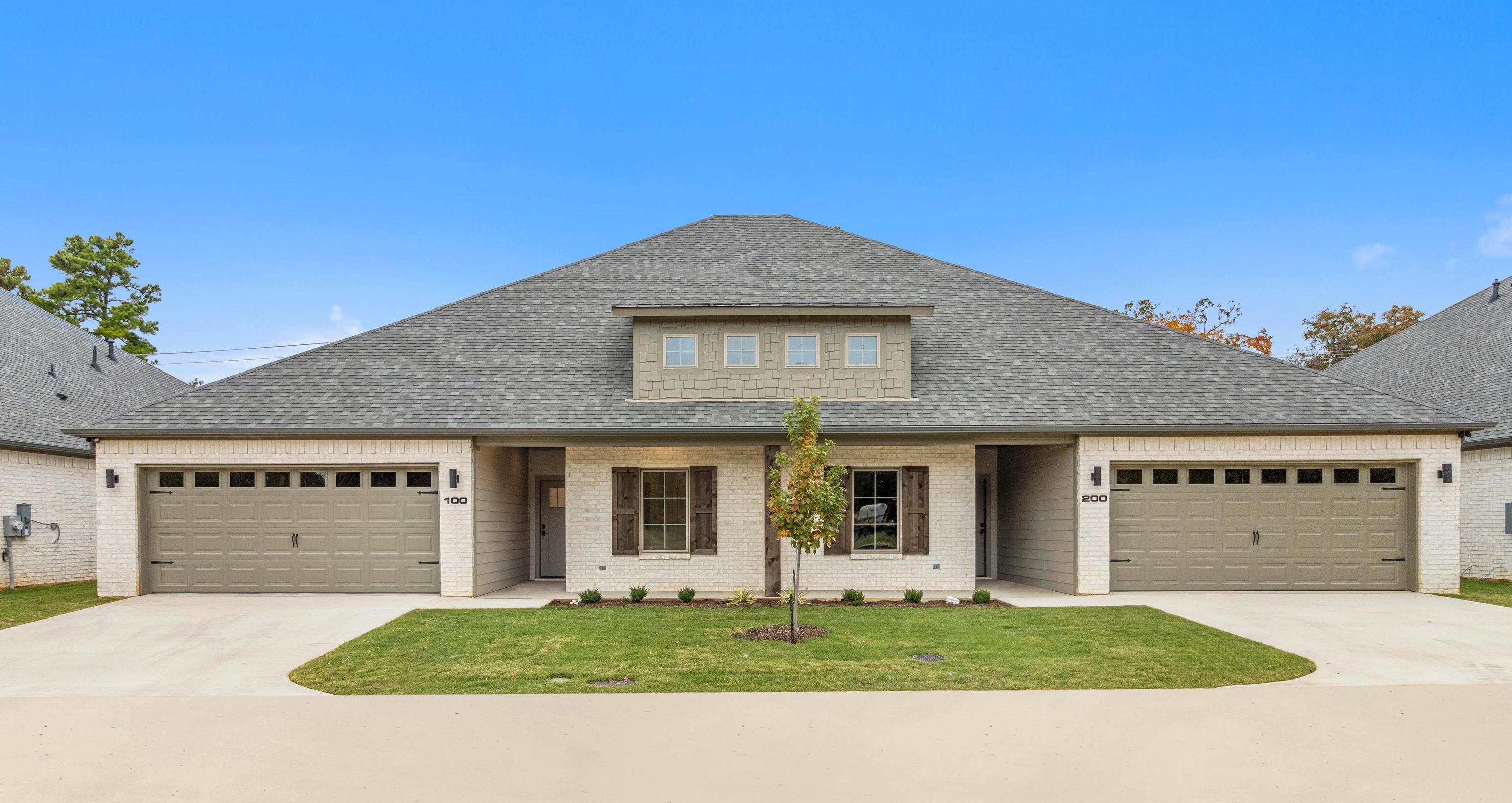
6858 Lazy Vale Duplex
Should I sell or hold my investment property?
Owners often reach a point where the real decision isn't how to sell. It is whether to sell. That analysis may include:
- Current income
- Remaining upside
- Expected capital expenditures
- Lease rollover
- Market conditions
- Debt maturity
- Refinancing alternatives
- Tax considerations
- Ownership goals
- Opportunity cost
- Other investment opportunities
- Management requirements
Sometimes selling creates the best path forward. Sometimes continued ownership does. Sometimes repositioning the property before selling could materially change the outcome. Ihrig Properties can help owners evaluate the real estate and market considerations involved before committing to a disposition.
1031 exchanges and investment property
Some commercial real estate investors use a Section 1031 exchange when disposing of qualifying investment real estate and acquiring replacement property. The rules, timing requirements, transaction structure, and tax consequences can be significant. If an owner is considering an exchange, they should raise the subject early in the sale process.
Ihrig Properties can assist with the commercial real estate component of an acquisition or disposition. Investors should use qualified tax and legal professionals — and an appropriate qualified intermediary where required — to advise on the exchange itself.
Our investment sales process
Understand the Investment Objective
For a seller, we want to understand why the property is being sold and what matters most. For a buyer, we establish acquisition criteria, return objectives, property preferences, risk tolerance, and strategy.
Analyze the Asset and Market
We evaluate relevant financial, lease, physical, and market information.
Develop the Strategy
For a disposition: positioning, pricing considerations, buyer profile, and property information. For an acquisition: search criteria, opportunity screening, and comparison.
Market or Source the Opportunity
We connect the investment strategy with relevant properties, buyers, or market opportunities.
Underwrite and Negotiate
We help evaluate the economics and real estate terms of the transaction rather than treating asking price as the only decision point.
Navigate Due Diligence
The transaction moves from assumptions to verification as we review financial, physical, and legal information.
Coordinate Through Closing
We remain involved as the parties, attorneys, lenders, title company, and other professionals work toward closing.
Brokerage informed by property operations
The investment does not end at closing. That is one of the central ideas behind how Ihrig Properties approaches investment real estate. After acquisition, the owner may still have to:
- Collect rent
- Administer leases
- Manage expenses
- Handle tenants
- Coordinate repairs
- Oversee vendors
- Complete capital projects
- Lease vacancies
- Prepare budgets
- Manage reporting
- Plan future improvements
- Eventually position the asset for another sale
Ihrig Properties combines investment brokerage with hands-on commercial and multifamily property-management experience. Cole Ihrig's background spans brokerage, operations, investment advisory, and asset oversight across office, industrial, retail, land, and multifamily real estate. That allows investment discussions to include a practical question sometimes overlooked during a transaction: What will this property actually require from its next owner?
Commercial real estate investment opportunities in East Texas
Ihrig Properties is based in Tyler and works with investors throughout East Texas — a diverse mix of commercial and multifamily investment opportunities across Tyler, Longview, Flint, Whitehouse, Bullard, and surrounding markets. East Texas is not one uniform investment market. Property performance can vary considerably based on:
- Local employment
- Population growth
- Development patterns
- Major transportation routes
- Tenant demand
- Property supply
- Location within the market
- Property condition
- Asset type
- Quality of management
Local market knowledge matters because a property must ultimately compete in the market immediately surrounding it.
Frequently asked questions about investment sales
What is commercial real estate investment sales?
Investment sales is the acquisition and disposition of income-producing or investment-oriented real estate. Transactions can include multifamily, office, industrial, retail, mixed-use, and other commercial properties purchased primarily for income, appreciation, repositioning, or another investment objective.
What is NOI in commercial real estate?
NOI means net operating income. It generally represents property income after operating expenses but before debt service and certain ownership-level expenses. Investors commonly use NOI when evaluating income-producing commercial real estate.
What is a cap rate?
A cap rate is the relationship between a property's annual NOI and its price or value, calculated by dividing NOI by property value. Cap rates are commonly used to compare commercial investment properties.
Is a higher cap rate always better?
No. A higher cap rate can sometimes reflect greater perceived risk, weaker tenants, a less desirable location, near-term capital requirements, or other factors. Investors should understand why the market is pricing a property at a particular cap rate rather than evaluating the percentage in isolation.
What should I review before buying an investment property?
Investors commonly review financial statements, rent rolls, leases, operating expenses, taxes, insurance, property condition, environmental information, title, surveys, capital expenditures, and market conditions. The appropriate due diligence varies by property.
What is a rent roll?
A rent roll summarizes the tenants or units occupying an income-producing property and typically includes information such as rental rates, leased area, and lease expiration dates.
What is a value-add commercial property?
A value-add investment generally offers an opportunity to improve performance through leasing, renovations, operational changes, expense management, repositioning, or another active strategy. Evaluate potential upside alongside the cost and execution risk involved.
Can a fully occupied property still be risky?
Yes. Occupancy is only one measure of performance. Investors should also consider lease expirations, tenant concentration, rental rates, tenant quality, property condition, and future capital requirements.
Can a vacant property be an investment opportunity?
Yes. Vacancy can create risk, but it can also provide an opportunity to lease space, renovate, reposition, or occupy the property depending on the economics and market.
How do I know whether to sell or hold an investment property?
The decision can depend on current income, remaining upside, expected capital needs, lease expirations, debt, market conditions, tax considerations, management burden, and alternative opportunities. A market and asset review can help an owner evaluate the options.
Can Ihrig Properties help me buy an investment property?
Yes. Ihrig Properties provides acquisition advisory for investors evaluating commercial and multifamily real estate throughout East Texas.
Can Ihrig Properties help sell my investment property?
Yes. Ihrig Properties provides disposition advisory for commercial and multifamily investment property owners, including asset analysis, positioning, marketing, negotiation, and transaction coordination.
Does Ihrig Properties handle 1031 exchanges?
Ihrig Properties can represent the commercial real estate acquisition or disposition involved in a potential 1031 exchange. Investors should rely on qualified tax and legal advisors and the appropriate qualified intermediary for the exchange requirements themselves.
What investment property types does Ihrig Properties work with?
Ihrig Properties' experience includes multifamily, mixed-use, office, industrial, retail, land, and other value-add commercial real estate.
Let's talk about the investment, not just the property
If you own an investment property, tell us what you're considering. If you're looking to acquire, tell us what the investment needs to accomplish. You don't need every assumption figured out first — we can begin with the property, the numbers, and your objective.