
Retail Space & Retail Properties in Tyler, TX & East Texas
Retail real estate is not just about traffic. Customers have to see the business, reach it, enter the property, park, understand where to go, and have a reason to be there. For owners, the right tenant, lease structure, tenant mix, and long-term positioning can matter more than filling a vacancy quickly.
Ihrig Properties represents retailers, restaurants, service businesses, property owners, landlords, buyers, and investors throughout Tyler and East Texas.
Retail properties in Tyler & East Texas
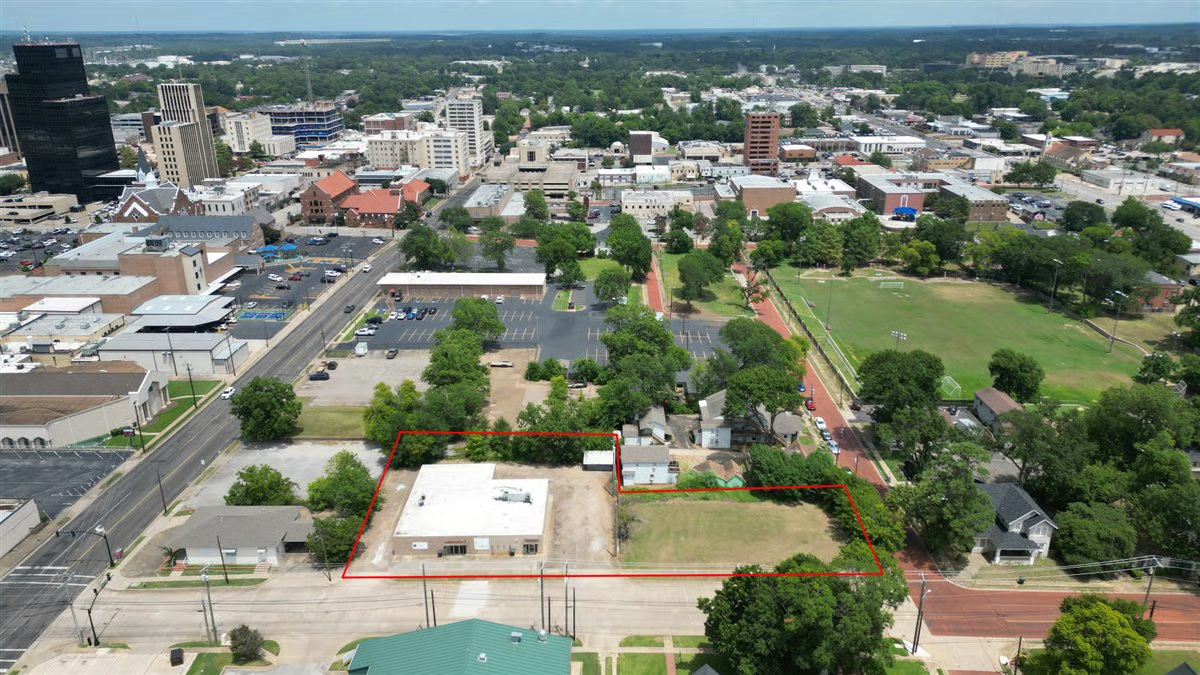
216–218 S. Bonner Avenue
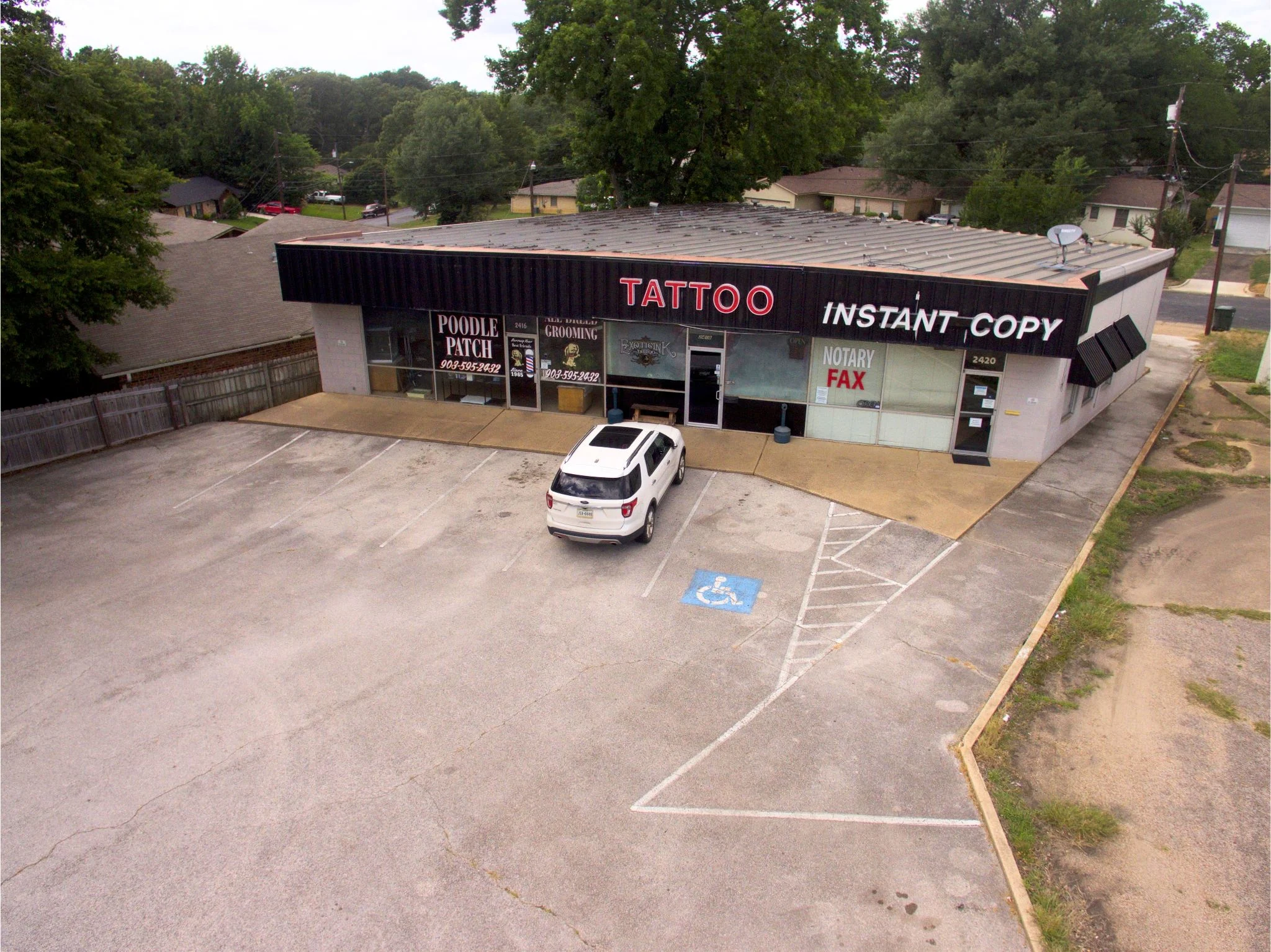
Loop 323 Three-Tenant Retail Center
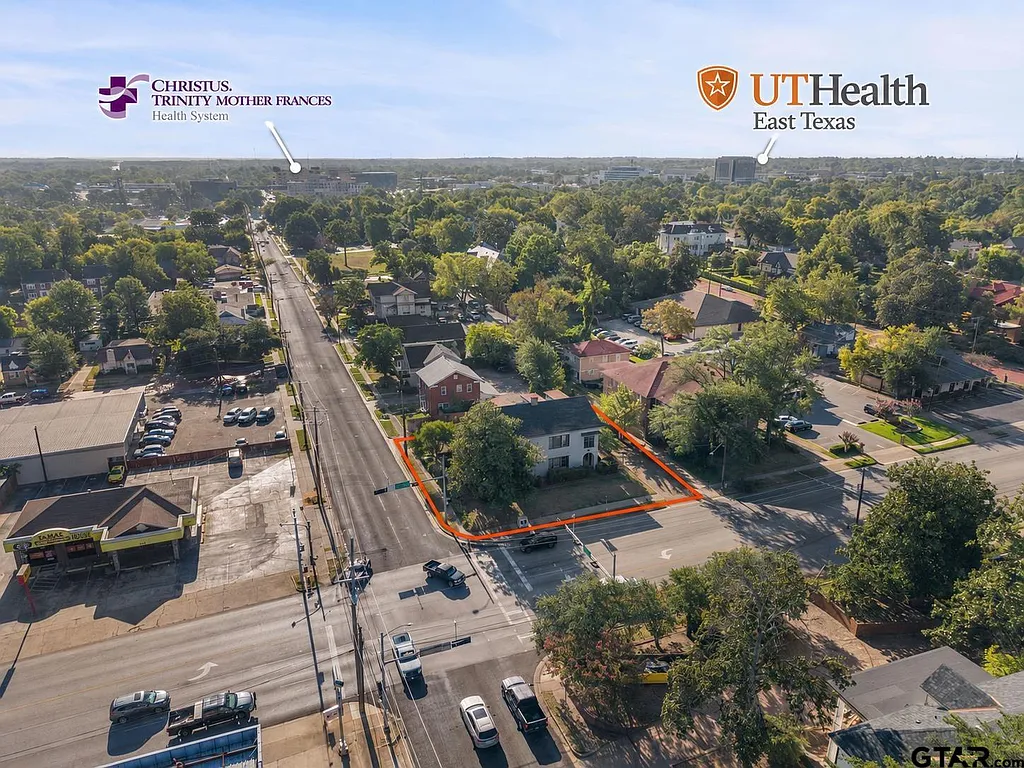
602 S. Broadway
Our website shows properties currently represented by Ihrig Properties. Our tenant and buyer representation extends to retail and restaurant opportunities across the broader Tyler and East Texas market.
What makes a good retail location?
There is no universal answer. A convenience business may need easy access and nearby traffic; a destination restaurant may draw from much farther away; a boutique may benefit from complementary retailers; a medical or service business may care more about parking than storefront traffic. A retailer should consider several questions together:
- Who is the customer, and where are they coming from?
- Can they see the property?
- Can they easily enter it?
- Is parking adequate?
- What businesses surround it?
- Does the space fit the operation?
- What will it cost to occupy?
- Can the business grow there?
- Does the location reinforce the brand?
- What happens at different times of day?
The busiest corner is not automatically the best location. The right corner is the one that works for the customer and the business.
"Tyler retail" is not one uniform market
Tyler serves a much larger customer base than its city population alone — people across East Texas travel here for shopping, healthcare, dining, services, and entertainment. Different corridors serve different customer patterns and business types.
South Broadway
One of Tyler's most recognizable retail corridors — shopping centers, national retailers, restaurants, hotels, medical, entertainment, freestanding retail, and newer development farther south. The address gets a property into the conversation; the individual site (access, median cuts, signalization, visibility, parking, nearby tenants) determines whether it works.
Old Jacksonville Hwy & Grande
Connects established Tyler neighborhoods with continued growth toward South Tyler, Flint, and surrounding communities. Retail and service users may benefit from residential growth, neighborhood traffic, healthcare, professional services, and multifamily development. The trade area differs meaningfully from corridors farther north.
Cumberland & South Tyler
Some of the city's newer retail development — appealing to concepts seeking newer construction, growing residential areas, national-retail adjacency, larger sites, and pad sites. Growth creates opportunity and competition; evaluate future supply alongside household growth.
Loop 323
A broad mix of commercial property — freestanding buildings, shopping centers, automotive, restaurants, service retail, and redevelopment. Loop frontage offers visibility, but driveways, medians, traffic direction, and property design determine whether customers can actually reach the site.
Downtown Tyler
Operates differently from suburban corridor retail — destination customers, office workers, government activity, restaurants and entertainment, events, walkability, and historic character. Strong for concepts that benefit from place and experience; evaluate parking, hours of activity, and improvement costs carefully.
Traffic matters — but access, visibility & parking matter too
Shopping centers, tenant mix & co-tenancy
Shopping-center tenants can benefit from the traffic, visibility, parking, and complementary tenants of neighboring businesses. But the lease economics need to be understood in the context of the entire center:
- CAM charges & operating expenses
- Tenant mix & use restrictions
- Exclusive-use provisions
- Co-tenancy
- Signage rules
- Delivery access
- Operating-hour requirements
- Tenant-improvement standards
Tenant mix can influence the performance of the entire property — compatible tenants generate complementary traffic and reduce conflicts, while poor combinations create parking, hours, or use conflicts. Some centers depend heavily on an anchor or traffic generator; understand how dependent a location is on one tenant, because if the anchor leaves, the surrounding environment can change. Co-tenancy provisions address whether particular businesses must remain open and should be reviewed with qualified legal counsel. And competition isn't always bad — several successful restaurants nearby may prove customers already recognize the area as a dining destination. The question: does nearby competition reduce demand, or confirm demand for the category?
Restaurant real estate
Restaurant locations require some of the most specialized retail analysis. In addition to ordinary retail considerations, restaurants may need:
- Adequate parking
- Kitchen infrastructure
- Grease trap
- Hood & ventilation
- Gas & electrical capacity
- Plumbing & floor drains
- Fire suppression
- Delivery access
- Outdoor seating
- Alcohol-related considerations
- Drive-thru potential
- Waste handling
A second-generation restaurant space (previously built out for restaurant use) can save time and cost — but existing doesn't mean adequate; equipment, code compliance, capacity, and condition should be verified. Drive-thru capability is valuable to some concepts but depends on site circulation, stacking distance, curb cuts, and site-plan restrictions: a parcel large enough for the building isn't necessarily large enough for a functional drive-thru. Freestanding buildings and pad sites offer dedicated identity, signage, and parking, but carry more direct responsibility for maintenance and total occupancy cost — evaluate the site together with the larger development around it.
Lease or buy, rent & total occupancy cost
Businesses may lease or own. Leasing can mean less capital tied up, flexibility, and access to established centers; ownership can mean control, long-term occupancy, and potential equity — along with maintenance, taxes, and capital responsibility. Retail asking rates shouldn't be compared without the lease structure: a location advertising $20/SF may not be cheaper than one at $24 once CAM, taxes, insurance, utilities, and other charges are included. In a NNN lease the tenant generally pays base rent plus specified property expenses — compare estimated total occupancy cost, not just base rent. And retail buildout (flooring, electrical, HVAC, storefront, kitchen infrastructure) can be a major variable: a location can be perfect for the customer and still fail financially if the buildout is underestimated.
Ihrig Properties can represent retailers as tenants, help retail owners with landlord representation and leasing, advise on retail investment sales, provide property management, and help owners sell retail property — plus site selection for new locations.
The Ihrig Retail Site Test
For a retail user, a strong property generally needs all five working together:
Demand
Are the customers here? Trade area, demographics, traffic generators, competition, and surrounding uses.
Visibility
Can customers find the business? Storefront position, signage, and brand presence.
Access
Can customers reach it easily? Ingress, egress, parking, intersection, and circulation.
Function
Does the property work? Size, layout, improvements, utilities, restaurant infrastructure, drive-thru, and future growth.
Economics
Do the numbers work? Rent or price, operating expenses, improvements, concessions, and expected occupancy cost.
Retail real estate across East Texas
Ihrig Properties is based in Tyler and works with retail property owners, investors, tenants, and businesses throughout East Texas — Tyler, Longview, Lindale, Whitehouse, Flint, Bullard, Jacksonville, Kilgore, and surrounding communities. Each market serves a different customer base. The best location for a concept expanding from Tyler may not simply be the next-largest city; the customer, competition, access, development pattern, and economics should determine the strategy.
Frequently asked questions about Tyler retail real estate
What types of retail space are available in Tyler?
The Tyler market includes shopping-center suites, strip retail, freestanding buildings, restaurant spaces, pad sites, neighborhood retail, mixed-use space, and retail investment properties.
What are the major retail corridors in Tyler?
Major retail activity can be found along South Broadway, Loop 323, Old Jacksonville Highway, Grande Boulevard, South Tyler/Cumberland areas, downtown, and other commercial corridors.
What should I look for in a retail location?
Consider the customer, trade area, traffic, visibility, access, parking, signage, demographics, competition, neighboring businesses, occupancy cost, buildout, and future growth.
Is high traffic always better for retail?
No. Traffic is useful only when the right customers are present and can conveniently see and access the property.
What is a retail trade area?
A trade area is the geographic area from which a business draws its customers. It can be defined using drive time, customer location, population, traffic patterns, and the type of business.
What is second-generation restaurant space?
Second-generation restaurant space is a property previously occupied and improved for restaurant use. It may contain valuable infrastructure, but existing equipment and systems should still be inspected and verified.
What does NNN mean in retail leasing?
NNN generally means the tenant pays base rent plus specified property expenses such as taxes, insurance, and common-area or maintenance costs. The lease controls the exact obligations.
What are CAM charges?
CAM stands for common area maintenance — expenses generally related to shared property operations and common areas in multi-tenant commercial properties.
How much parking does a retail business need?
It depends on customer volume, length of visits, employee count, peak periods, surrounding tenants, and local requirements. A restaurant can use parking very differently from a boutique or service business.
Can Ihrig Properties help me find restaurant space?
Yes. Ihrig Properties can help restaurants and other commercial tenants search and compare locations throughout Tyler and East Texas.
Can Ihrig Properties help with retail site selection?
Yes. Site-selection services can include location criteria, market search, property comparison, and commercial real estate analysis.
Can Ihrig Properties lease my shopping center or retail property?
Yes. Ihrig Properties provides landlord representation and commercial leasing services.
Can Ihrig Properties sell retail investment property?
Yes. Ihrig Properties represents owners in retail and other commercial investment-property dispositions.
Does Ihrig Properties manage retail property?
Yes. Ihrig Properties provides commercial property management in addition to brokerage and leasing.
Can Ihrig Properties help me find retail property not listed on the website?
Yes. Buyer and tenant representation can involve searching the broader East Texas commercial real estate market.
Find a location that works for the customer
Don't start with the storefront — start with the business. Tell us who the customer is, where they come from, how the business operates, how much space you need, and what makes a location successful for the concept. We'll build the real estate search from there.