
Industrial, Warehouse & Flex Space in Tyler, TX & East Texas
Industrial real estate is about what happens inside the building and on the site — how high you can stack, how trucks load, how much power the operation draws, and whether the yard and zoning support the use. A building that looks similar on paper can either fit the operation perfectly or fight it every day.
Ihrig Properties represents distributors, manufacturers, contractors, service businesses, industrial owners, landlords, buyers, and investors throughout Tyler and East Texas. Founder Cole Ihrig holds the SIOR designation.
Industrial properties in Tyler & East Texas
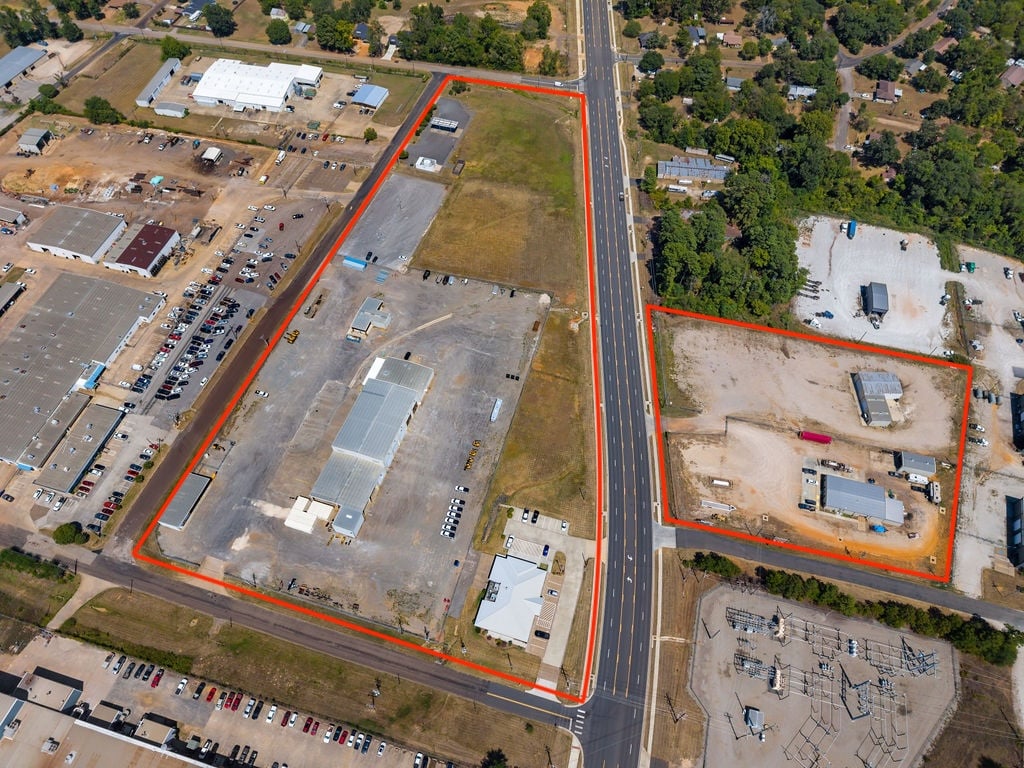
Harrison Road Industrial Investment Portfolio
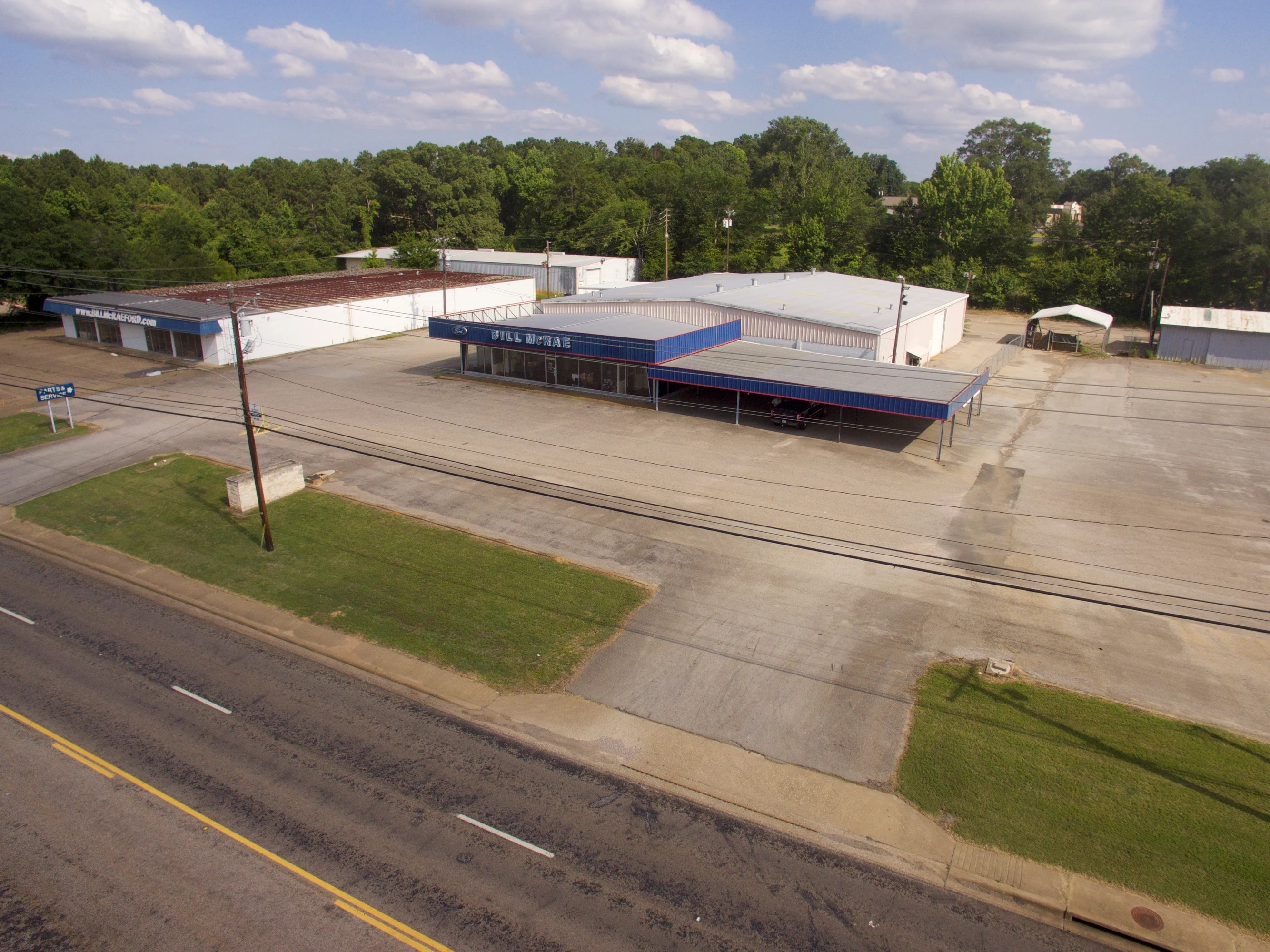
Former Car Dealership
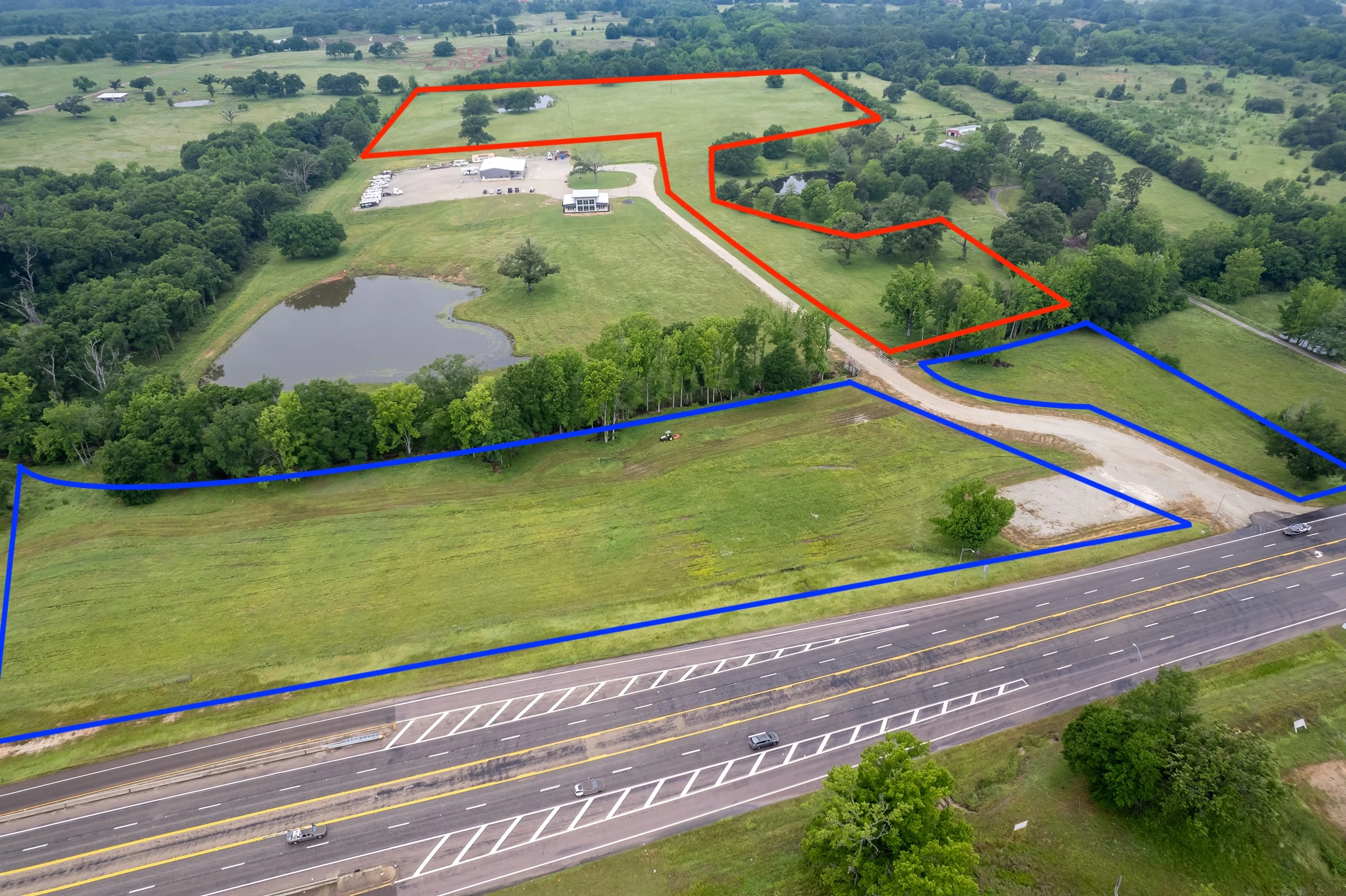
US-69 Development Land
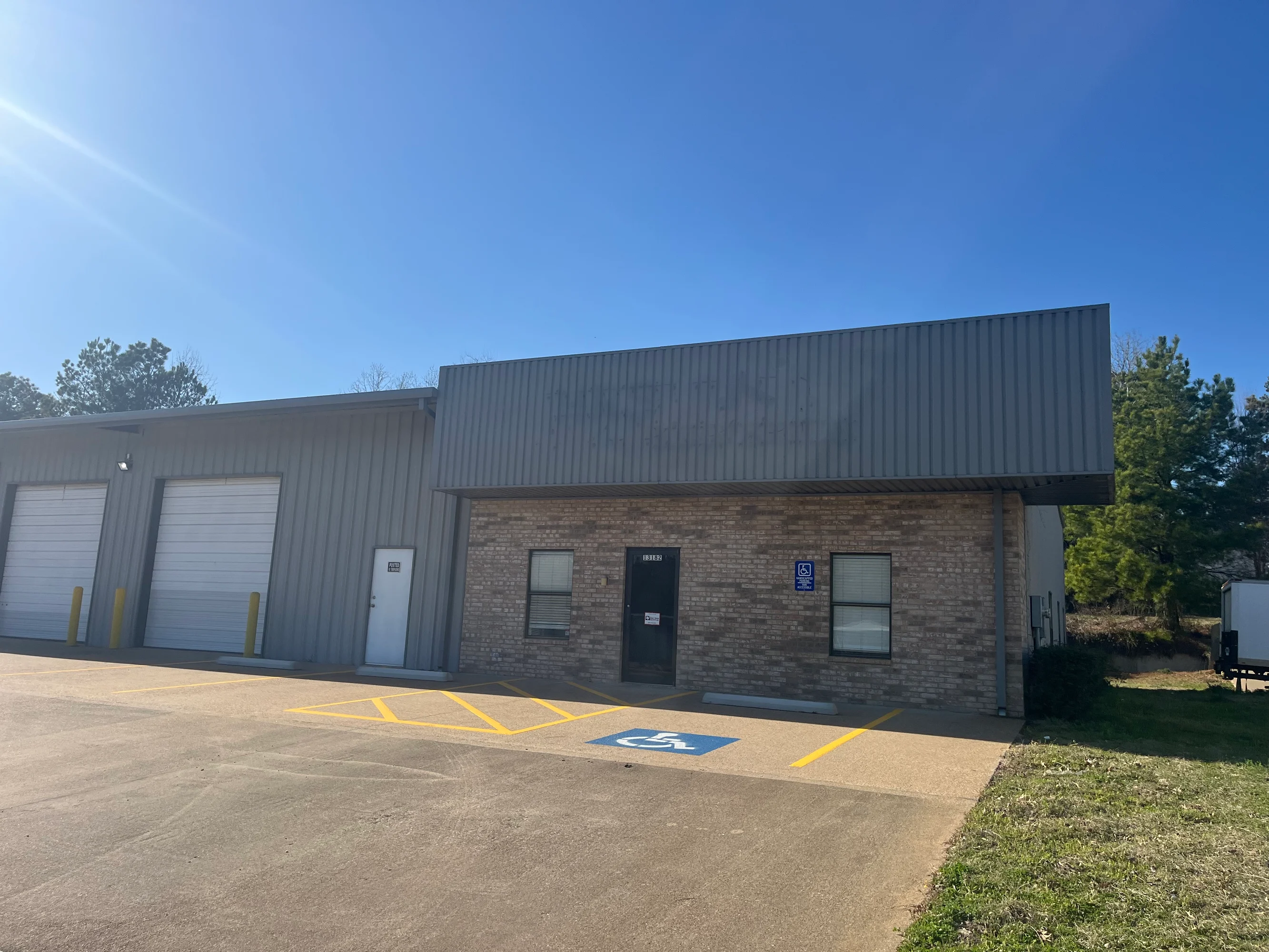
Highway 110 Industrial
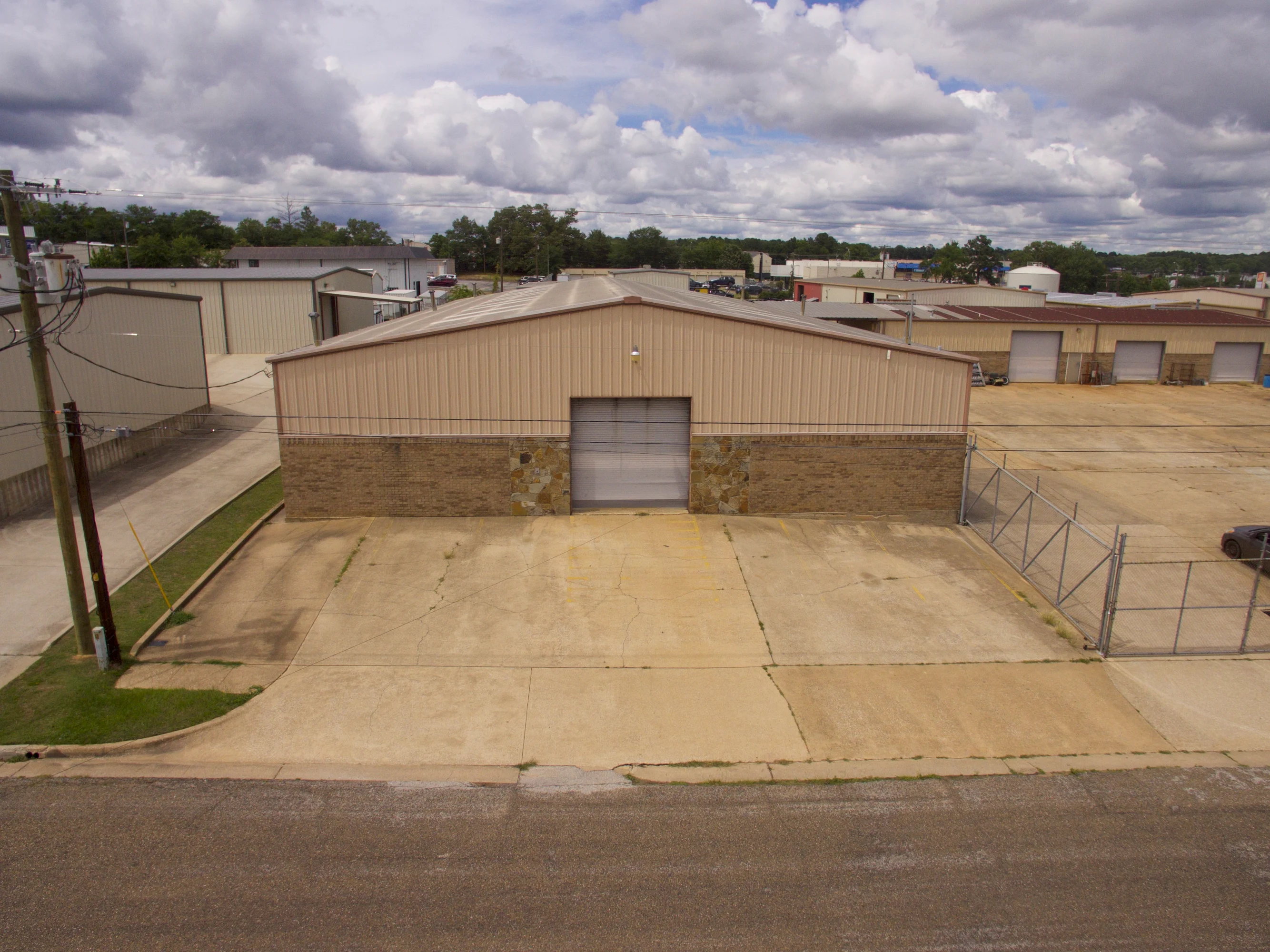
Candy Park Industrial Space
Our website shows properties currently represented by Ihrig Properties. Our tenant and buyer representation extends to industrial opportunities across the broader Tyler and East Texas market.
What makes the right industrial building?
There is no universal answer. A distributor racking product to the ceiling, a manufacturer pulling heavy three-phase power, a contractor who mostly needs yard and grade-level doors, and a growing service business that wants a little office out front all need different buildings. A good industrial decision starts with the operation, not the square footage:
- What goes on inside the building — and what does that require?
- How high do you need to stack, rack, or operate?
- How do trucks get in, turn, and dock?
- How much power does the operation draw?
- Do you need outdoor yard, laydown, or trailer parking?
- What weight and equipment will the floor carry?
- Does zoning allow your specific use?
- How much office is built into the space?
The cheapest building per square foot is not automatically the right one. The right building is the one that lets the operation run efficiently — and can grow with it.
Types of industrial property
"Industrial" spans a wide range of buildings and sites, each suited to different operations.
Warehouse & distribution
Space built to store and move product — clear height for racking, dock-high doors, truck court depth, and column spacing that fits the racking layout. The efficiency of the operation often depends more on these specs than on the rate per square foot.
Flex & office-warehouse
A blend of finished office or showroom with warehouse or shop behind it. Popular with contractors, service companies, distributors, and small businesses that need both a professional front and functional work space. Evaluate the office-to-warehouse ratio against how the business actually operates.
Manufacturing
Space for production — heavier power (often three-phase, higher amperage), reinforced floors, ventilation, sometimes cranes or specialized systems, and loading suited to raw materials and finished goods. Requirements are highly specific to the process.
Service, shop & showroom
Grade-level roll-up doors, shop space, some office, and often yard for vehicles and equipment. Common for trades, automotive, and service businesses. Access, door height, and yard frequently matter more than finish.
Industrial outdoor storage (IOS)
Yard-first sites — trailer parking, equipment, materials, and container storage, often with a smaller building. Zoning, surfacing, fencing, and legal outdoor-storage rights are the whole game; verify them before committing.
Investment & owner-user
Industrial buildings held for income or occupied by the owner. Tenant credit, lease structure, clear height, functionality, and location drive value. Owner-users sometimes buy more than they need and lease the balance.
Reading an industrial building
Two buildings quoted at the same rate can perform very differently. These are the specifications that determine whether a building fits the operation:
Where industrial activity concentrates
Access to highways, rail, power, and workforce shapes where industrial users locate across Tyler and the region.
Loop 323 & industrial corridors
Tyler's established industrial and service-commercial space clusters along the Loop and connecting corridors — warehouse, flex, shop, and service buildings with the access that trades and distributors need.
Highway & rail-served areas
Proximity to US 69, US 271, State Highway 31, and Interstate 20 to the north shapes distribution and manufacturing decisions. Some sites offer rail access — valuable for specific users and worth verifying for condition and service.
North & east Tyler / Smith County
Manufacturing, distribution, and heavier industrial uses, along with outdoor-storage and yard sites, are found across north and east Tyler and the surrounding county, where larger sites and appropriate zoning are more available.
Regional East Texas
Longview, Kilgore, Lindale, Jacksonville, and the broader region each carry industrial inventory tied to energy, manufacturing, and distribution. The right site depends on workforce, access, power, and how the operation connects to its customers and suppliers.
Lease, buy, or build for your operation
Industrial users can lease space, buy an existing building, occupy part of a building they own and lease the balance, or build to suit when nothing on the market fits. Leasing preserves capital and flexibility as the operation changes; ownership offers control and potential equity, along with maintenance and capital responsibility. Highly specialized operations sometimes have to build or heavily modify a building — in which case the site, power, zoning, and expansion room matter as much as the structure itself.
Ihrig Properties can represent operators as industrial tenants, help owners with landlord representation and leasing, advise on industrial investment sales, provide property management, help owners sell industrial property, and support new-location and expansion decisions through site selection.
The Ihrig Industrial Fit Test
For an industrial user, a strong property generally needs all five working together:
Function
Does the building do what the operation requires? Clear height, doors, column spacing, floor, power, and office ratio.
Loading
Can trucks and vehicles actually serve it? Dock configuration, grade-level access, truck court, and circulation.
Power & systems
Does the electrical, fire-protection, and mechanical infrastructure support the use — today and as it grows?
Site & yard
Does the site provide the outdoor space, parking, access, and zoning the operation needs?
Economics
Do the numbers work fully loaded? Rent or price, operating expenses, improvements, and any infrastructure upgrades.
Industrial real estate across East Texas
Ihrig Properties is based in Tyler and works with industrial owners, investors, operators, and businesses throughout East Texas — Tyler, Longview, Kilgore, Lindale, Whitehouse, Flint, Bullard, Jacksonville, and surrounding communities. Industrial demand across the region is tied to distribution, manufacturing, energy, and the trades, and the right site depends on access, power, workforce, zoning, and how the operation connects to its customers and suppliers.
Frequently asked questions about Tyler industrial real estate
What types of industrial property are available in Tyler?
The market includes warehouse and distribution space, flex and office-warehouse, manufacturing buildings, service and shop space, industrial outdoor storage (IOS) and yard sites, and industrial investment properties for sale or lease.
What is clear height and why does it matter?
Clear height is the usable vertical height to the lowest overhead obstruction, not the roof peak. It determines how high product can be stacked or racked and is one of the most important specs for warehouse and distribution users.
What is the difference between dock-high and grade-level doors?
Dock-high doors are positioned at trailer-bed height for loading trucks; grade-level (drive-in) doors allow vehicles and equipment to drive directly into the building. The right mix depends on how freight and vehicles move through the operation.
What is a truck court?
A truck court is the paved area outside loading doors where trucks approach, turn, and back into docks. Its depth and the site's circulation determine whether the building can actually be served by the trucks that use it.
What does three-phase power mean for industrial users?
Three-phase power supplies the higher, more balanced electrical load many industrial machines and equipment require. Voltage, phase, and amperage should be verified against the operation, because upgrading service later can be costly and slow.
What is industrial outdoor storage (IOS)?
IOS refers to yard-focused sites used for trailer parking, equipment, materials, and container storage, often with a smaller building. Zoning, surfacing, fencing, and legal outdoor-storage rights are central to whether a site works.
What is flex or office-warehouse space?
Flex space combines finished office or showroom with warehouse or shop area. It suits contractors, service companies, and distributors who need both a professional front and functional work space. The office-to-warehouse ratio should match how the business operates.
How much office space is in an industrial building?
It varies widely — from almost none to a substantial finished front. Confirm the existing office build-out and whether it fits your operation, since adding or removing office space affects cost and timeline.
Does zoning affect what I can do in an industrial building?
Yes. Zoning and local rules govern permitted uses, outdoor storage, manufacturing activities, and more. Confirm that your specific use is allowed at a given site before committing.
What is column spacing and why does it matter?
Column spacing is the distance between the building's structural columns. It affects racking layout, equipment movement, and usable floor area — wider spacing generally offers more flexibility.
Should my business lease or buy industrial space?
It depends on capital, growth plans, how specialized the space is, and how long you expect to stay. Leasing preserves flexibility and capital; ownership offers control and potential equity along with maintenance and capital responsibility.
Can Ihrig Properties represent me as an industrial tenant?
Yes. Ihrig Properties provides tenant representation for businesses leasing warehouse, flex, manufacturing, and service space across Tyler and East Texas.
Can Ihrig Properties lease my industrial building?
Yes. Ihrig Properties provides landlord representation and commercial leasing for industrial owners.
Can Ihrig Properties sell my industrial building or investment?
Yes. Ihrig Properties represents owners in industrial and industrial-investment dispositions and advises buyers on acquisitions and owner-user purchases.
Does Ihrig Properties manage industrial property?
Yes. Ihrig Properties provides commercial property management in addition to brokerage and leasing.
What does the SIOR designation mean for industrial clients?
SIOR (Society of Industrial and Office Realtors) is a designation for experienced commercial brokers who meet production and standards requirements. Ihrig Properties' founder, Cole Ihrig, holds the SIOR designation.
Find a building that fits the operation
Don't start with the building — start with the operation. Tell us what happens inside, how high you stack, how trucks load, how much power you draw, and what yard you need. We'll build the search around the specs that actually matter.