
Commercial Real Estate in Tyler, Texas
Tyler is more than the largest city in Smith County. It functions as a regional center for healthcare, retail, education, professional services, manufacturing, distribution, and commercial activity across East Texas — creating demand across office, medical, industrial, retail, land, multifamily, and investment property.
Ihrig Properties is a Tyler-based commercial real estate firm representing owners, investors, businesses, landlords, tenants, and developers throughout the Tyler market and East Texas. Whether you own commercial property here, are searching for a business location, or are evaluating an investment, the real estate decision begins with understanding the market around the property.
The market, in numbers
Market indicators
- 2025 estimated population
- 113,723
- Growth since 2020 estimate base
- 7.4%
- 2022 retail sales
- $4.84B
- 2022 healthcare / social-assistance revenue
- $3.47B
- Mean commute, 2020–2024
- 20.0 min
Source: U.S. Census Bureau, Tyler city QuickFacts.
Selected major Tyler employers
- CHRISTUS Mother Frances
- 5,000
- UT Health East Texas
- 4,500
- Tyler ISD
- 2,550
- Trane Technologies
- 2,500
- Sanderson Farms
- 1,750
- Walmart
- 1,500
- Brookshire Grocery Company
- 1,450
Source: Tyler Economic Development Council, major-employer dataset. Figures are approximate.
Market data reviewed September 2026. Figures are point-in-time estimates published by the sources noted and should be verified for current decisions. See sources.
What regularly matters to companies evaluating East Texas
A commercial location decision depends on the individual business, but Tyler offers several characteristics that come up again and again.
Growth creates demand — but where it happens matters
Population growth does not automatically make every commercial property more valuable. It does create additional demand that can support retail, restaurants, medical and professional services, housing, storage, service businesses, employment, and commercial development over time.
But where that growth occurs matters. Tyler's development pattern has continued outward, particularly toward southern and surrounding areas. For commercial real estate, the important question is not simply "Is Tyler growing?" It is "Where is the relevant customer, employee, tenant, or development demand growing?" A property should be evaluated against its specific trade area and submarket.
Tyler doesn't have one commercial district
Different parts of the city serve different functions. The same property type can behave very differently depending on where it sits.
South Broadway Avenue
One of Tyler's most established commercial corridors — retail, restaurants, professional services, medical uses, hotels, and shopping centers. Properties farther south interact differently with the market than older properties nearer Loop 323. The exact site matters.
Loop 323
A major transportation corridor carrying office, retail, automotive, industrial, medical, land, and investment property. Loop 323 is not one uniform submarket — West, Southwest, East, and North Loop properties have very different surrounding uses and demand.
Old Jacksonville Highway
Connects established Tyler development with growing areas toward Flint and southern Smith County. A mix of office, medical, retail, service, multifamily, land, and development sites, shaped by residential growth to the south.
Toll 49 & South/Southwest Tyler
Toll 49 has changed connectivity around the southern and western market and provides access toward I-20. Transportation improvements can influence site accessibility, logistics, development patterns, and land interest — though infrastructure alone doesn't set property value.
Downtown Tyler
A different environment from suburban corridors — office, government, legal, and financial services, restaurants, historic buildings, redevelopment, and mixed-use potential. Downtown should be evaluated as its own submarket.
Midtown & medical areas
Tyler's healthcare concentration drives demand around medical campuses. Medical office users may prioritize hospital proximity, patient access, referral patterns, parking, and specialized improvements — value that a general office tenant may not share.
North Tyler & industrial areas
Industrial, manufacturing, warehouse, transportation, land, and employment-oriented property. Industrial users care more about highway access, truck movement, loading, yard, utilities, power, and building functionality than retail visibility.
Explore the Tyler market by property type
Each property type competes in its own submarket. Start where your decision actually sits.
Tyler office real estate
Professional, medical, financial, corporate, and owner-user office. The best location depends on the business — client access, hospitals, parking, image, and lease economics.
Explore Tyler Office Properties →Tyler industrial real estate
Warehouse, flex, manufacturing, distribution, service, and industrial land — evaluated on loading, clear height, power, yard, highway access, and building configuration.
Explore Tyler Industrial Properties →Tyler retail real estate
A regional retail market — Census reported roughly $4.84B in 2022 retail sales. Performance depends on traffic, visibility, access, parking, trade area, co-tenancy, and lease economics.
Explore Tyler Retail Properties →Tyler commercial land
Land for businesses, developers, investors, and owner-users — evaluated on access, frontage, utilities, configuration, surrounding development, zoning, and development cost, not just price per acre.
Explore Commercial Land in Tyler →Tyler multifamily & investment
Population, healthcare, education, and employment support multifamily and income property. We combine investment brokerage with property-management experience across hundreds of units.
Explore Tyler Investment Properties →Healthcare is one of Tyler's defining sectors
Major hospital systems, physicians, specialty care, outpatient providers, and supporting businesses generate demand for medical office and healthcare-oriented property. Medical real estate can have requirements ordinary office space does not — patient access, accessibility, parking, plumbing, specialized power, clinical layouts, imaging or equipment requirements, and proximity to providers. A low-rent office suite can become expensive if substantial conversion work is required, so medical users should evaluate real estate against the actual clinical operation. See office & medical office.
Infrastructure shapes development over long periods
Tyler's regional network includes Interstate 20 north of the city, major U.S. and state highways, Loop 323, and Toll 49. TxDOT is developing plans for a major Interstate 20 reconstruction and widening project through East Texas — an approximately 82-mile corridor including Smith County, planned to expand from four lanes to six along the main corridor.
Large transportation projects do not guarantee real estate appreciation. They can, however, affect accessibility, travel times, logistics, business-location decisions, development interest, and traffic patterns. Commercial property decisions should account for both today's infrastructure and credible future changes. The City of Tyler adopted its Tyler Tomorrow Comprehensive Plan in 2026, describing Tyler as an East Texas regional hub for healthcare, higher education, and economic development while planning growth through 2045.
Tyler is not one commercial real estate market
"Tyler commercial real estate" is useful as a broad category, but individual properties compete in much smaller markets. An industrial building does not compete with every industrial property in Smith County. A medical office does not compete equally with every office building. A restaurant location does not draw customers equally from every part of Tyler. A land tract south of the city can have completely different development characteristics from land on the north side.
That is why local market knowledge needs to become specific before it becomes useful. The correct analysis usually moves from Tyler → submarket → corridor → property type → individual property.
Current commercial properties in Tyler
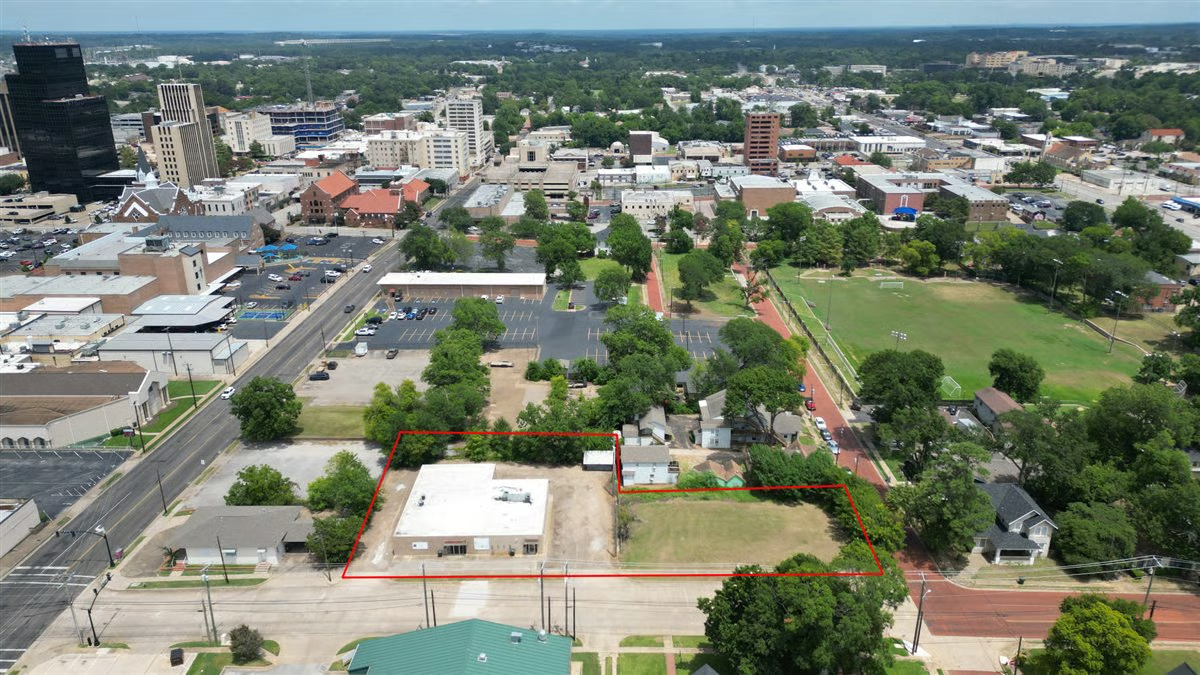
216–218 S. Bonner Avenue
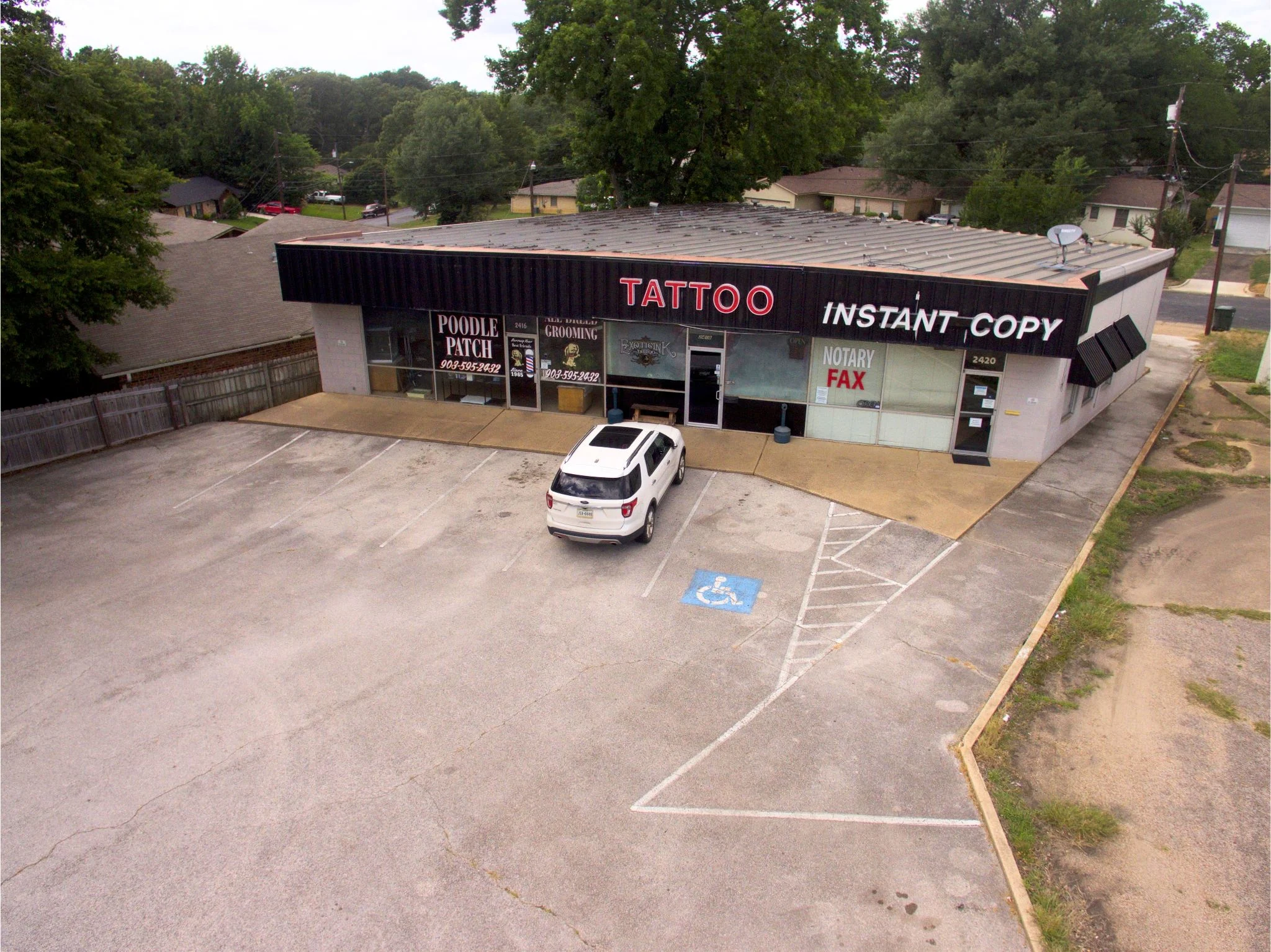
Loop 323 Three-Tenant Retail Center
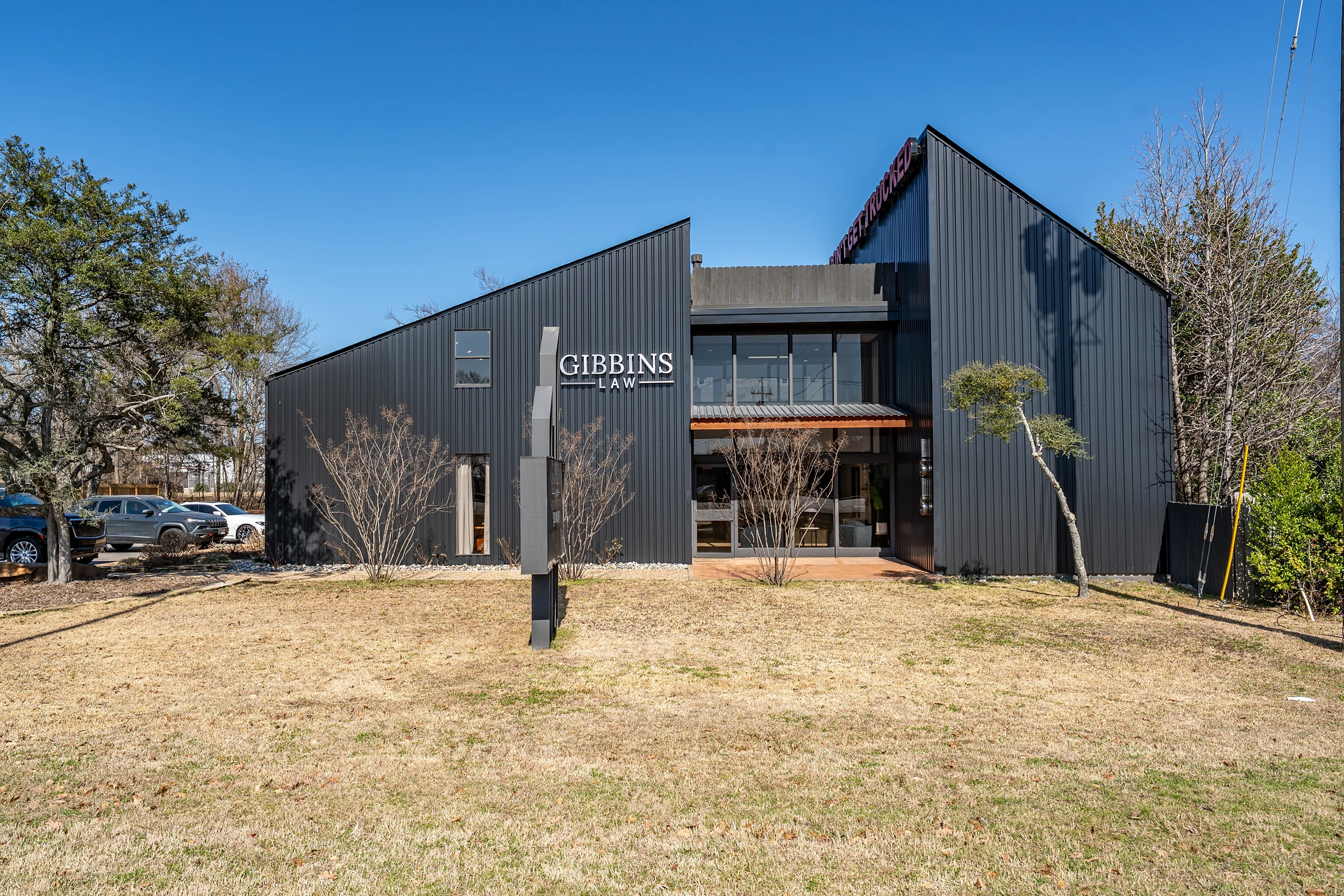
Loop 323 Office Property with Additional Lot
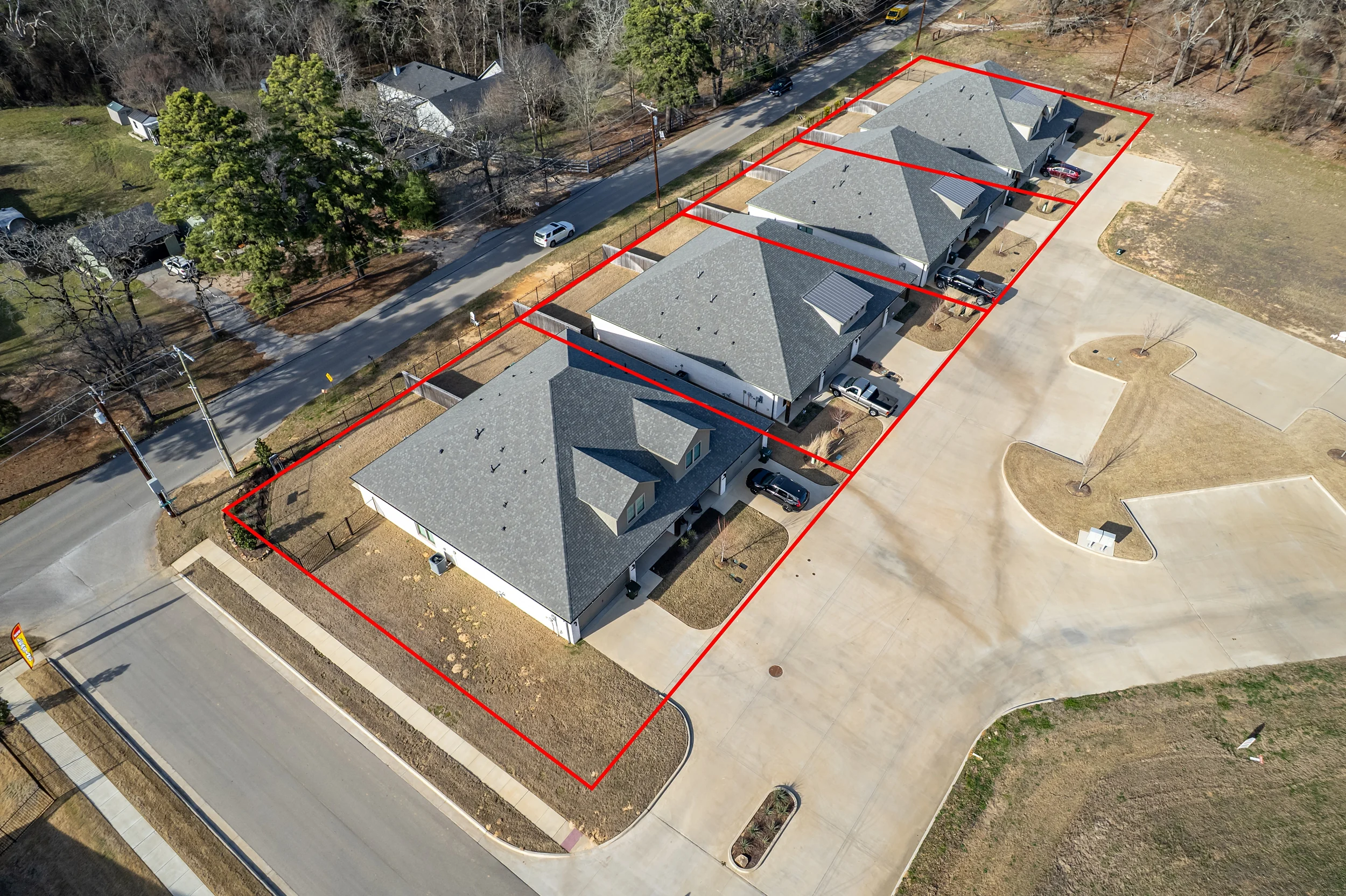
Henshaw Creek Duplex Community
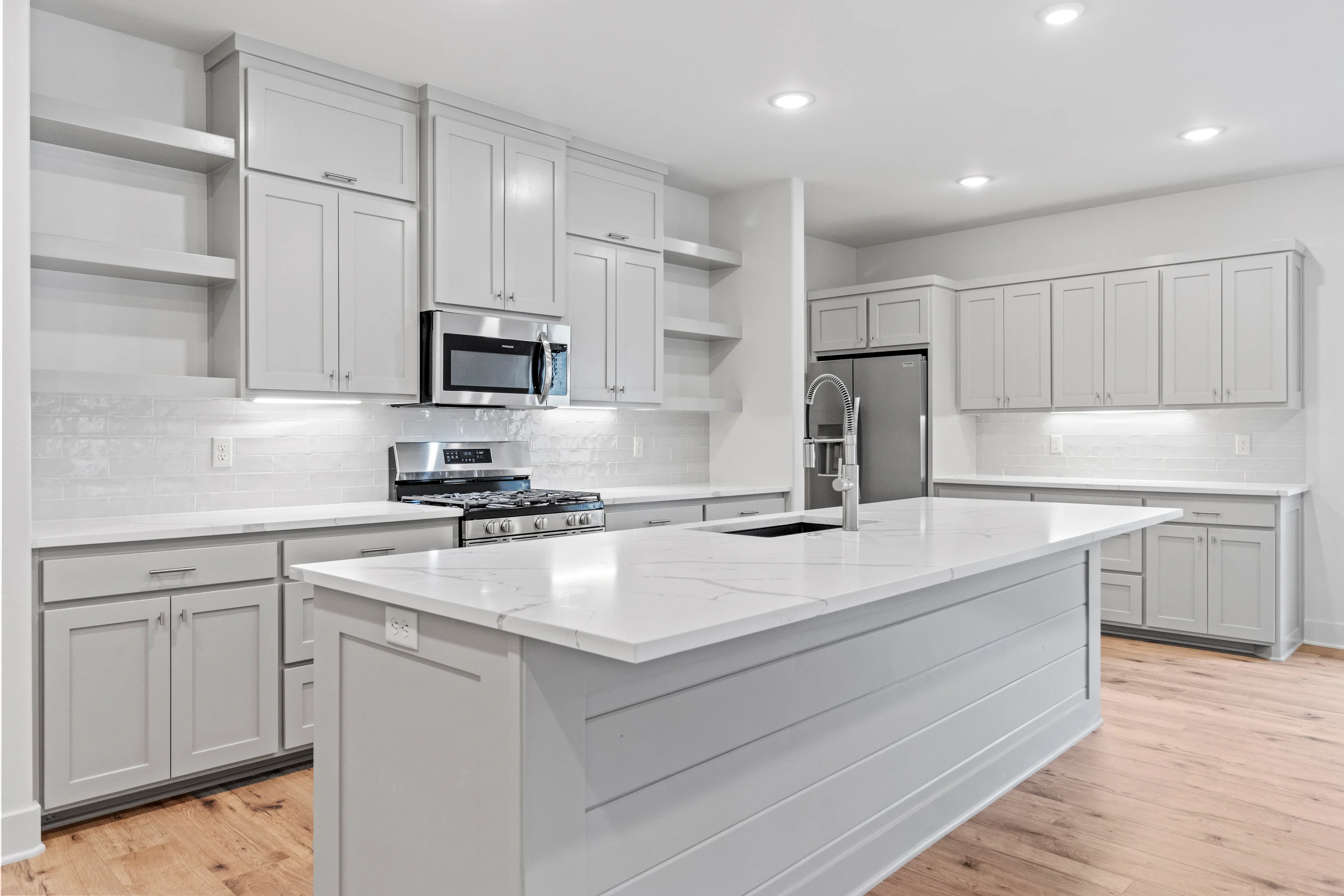
6854 Lazy Vale Two-Unit Duplex
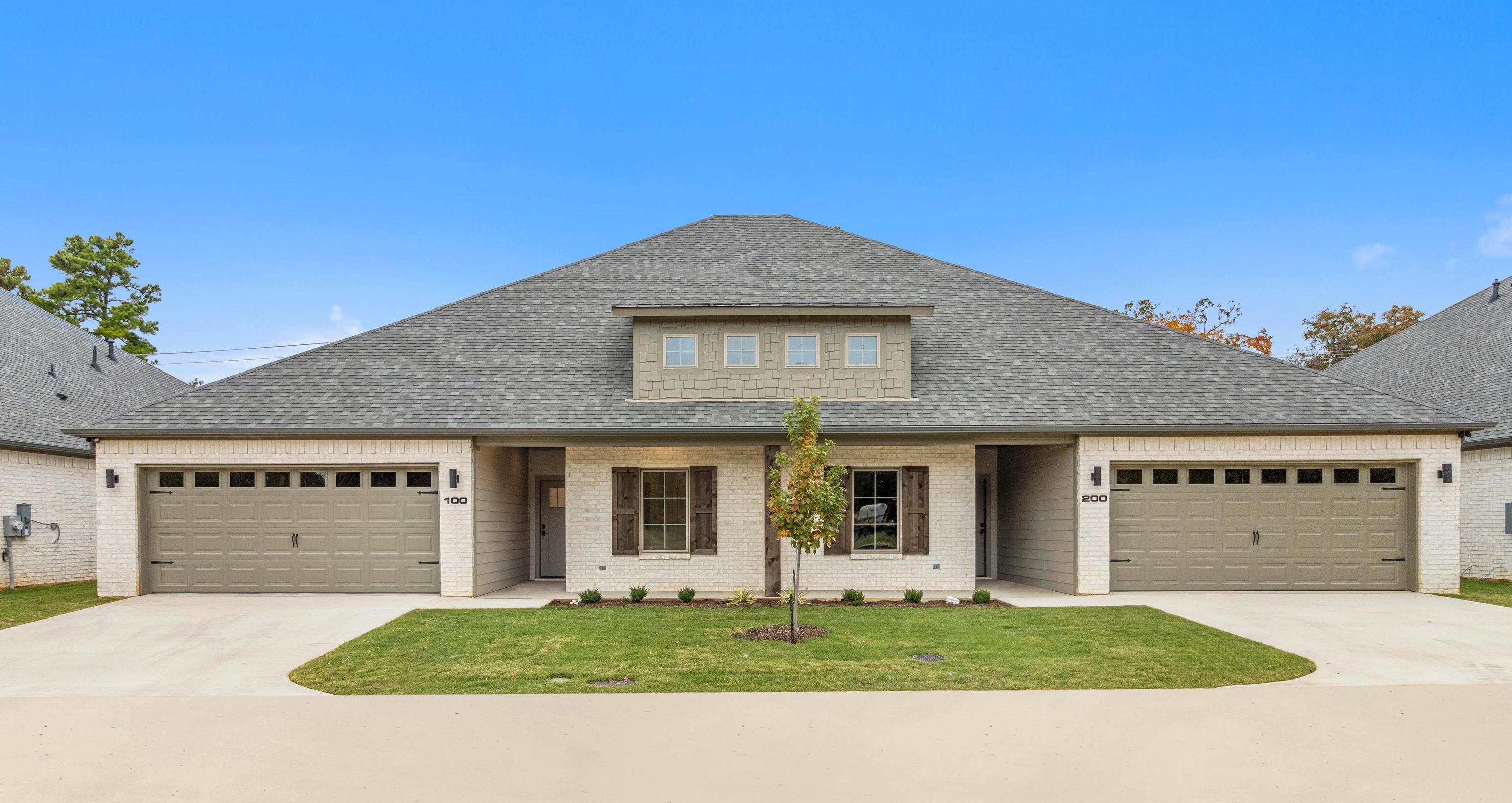
6858 Lazy Vale Duplex
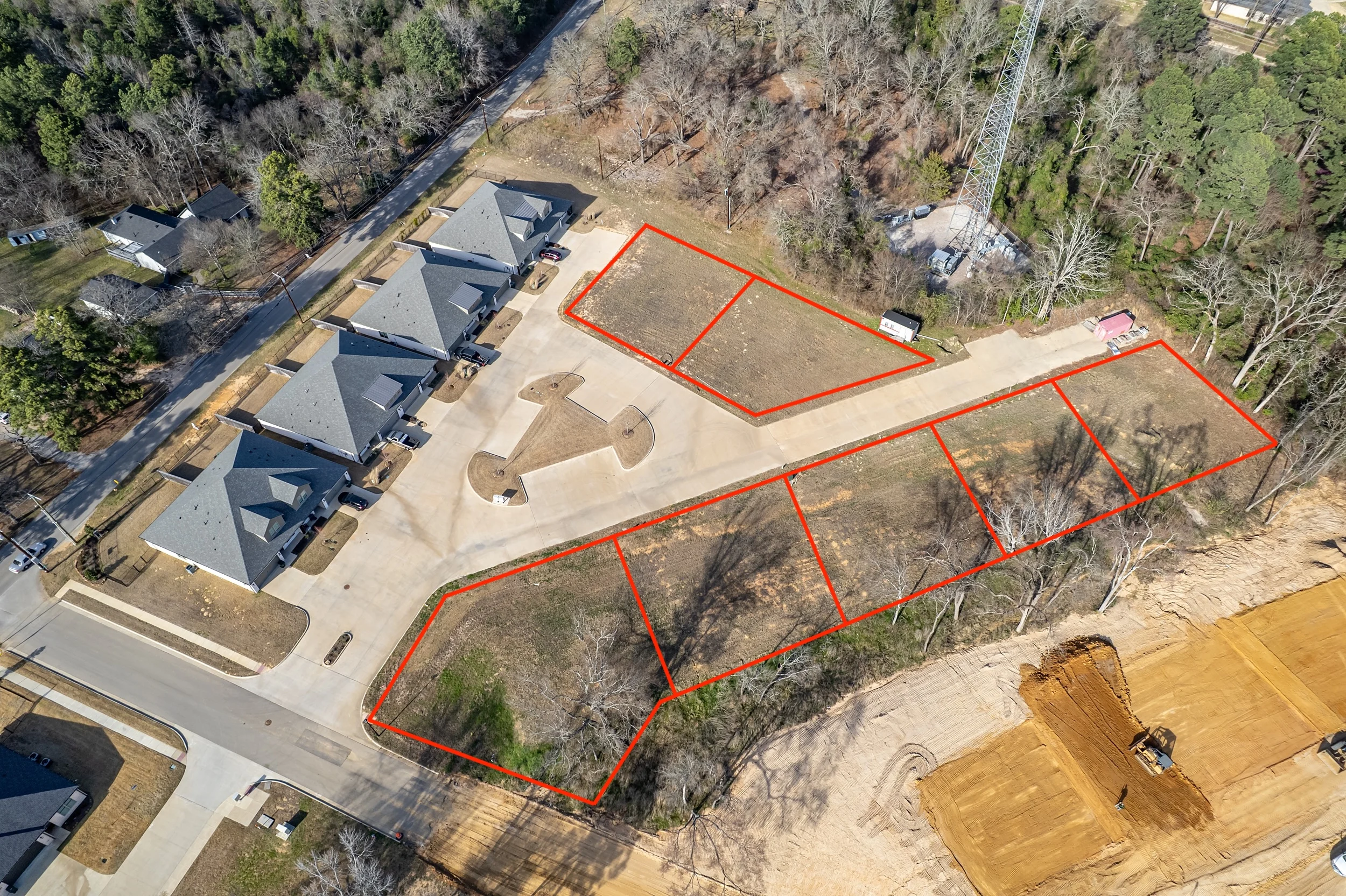
Seven-Lot Duplex Development Site
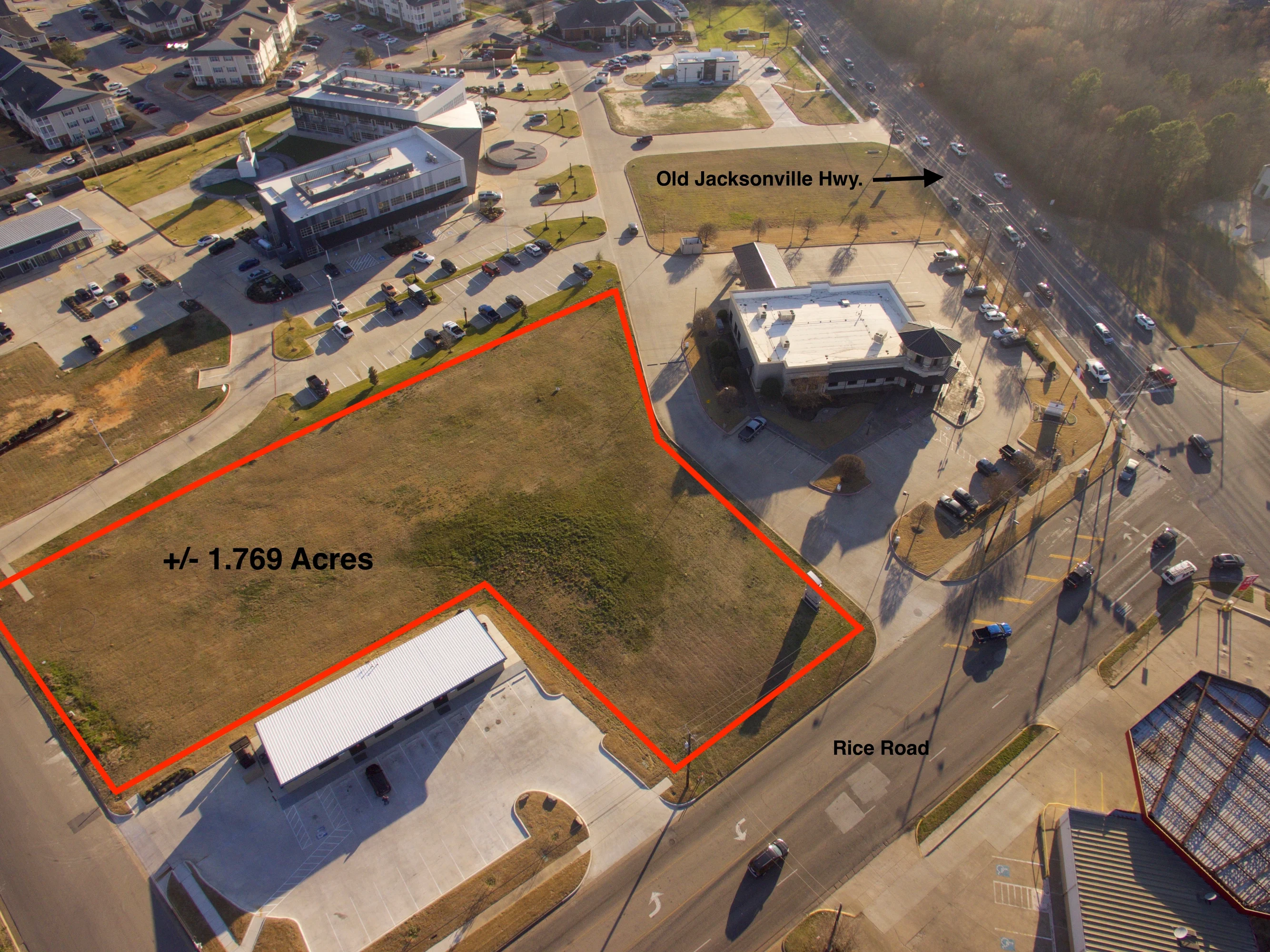
Old Jacksonville Highway & Rice Road
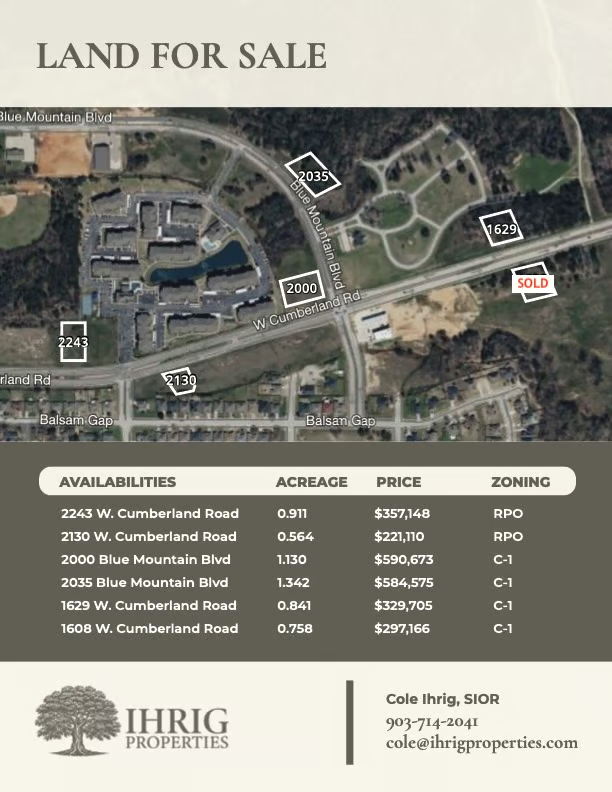
Cumberland Development Lots
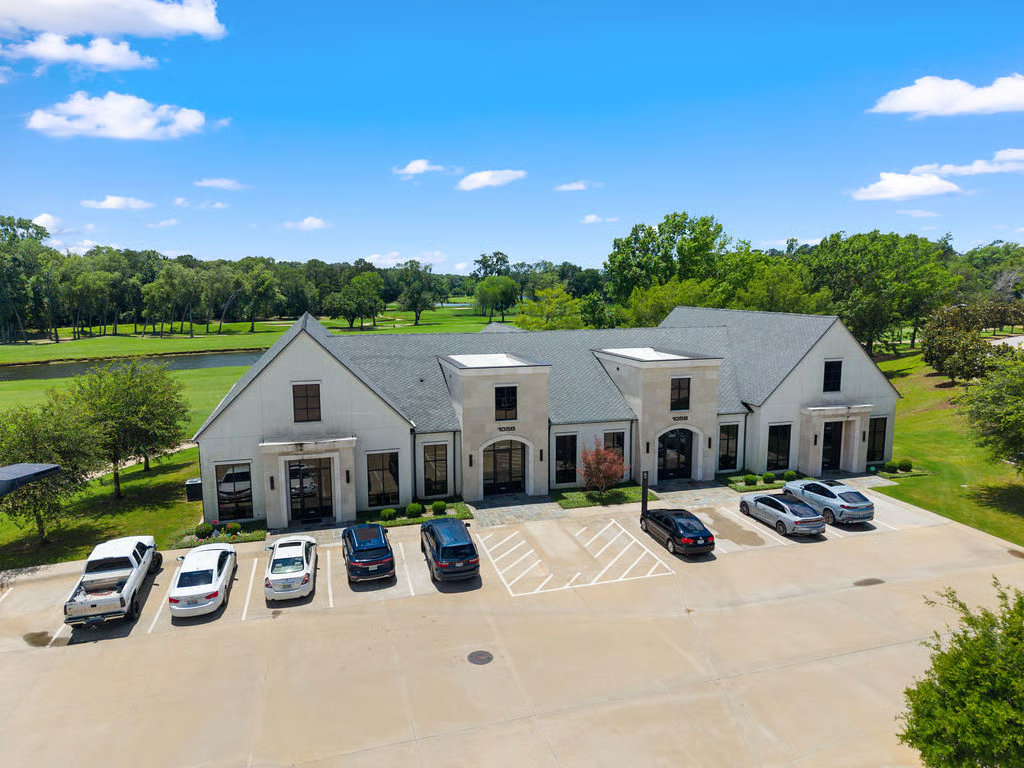
Asher Park
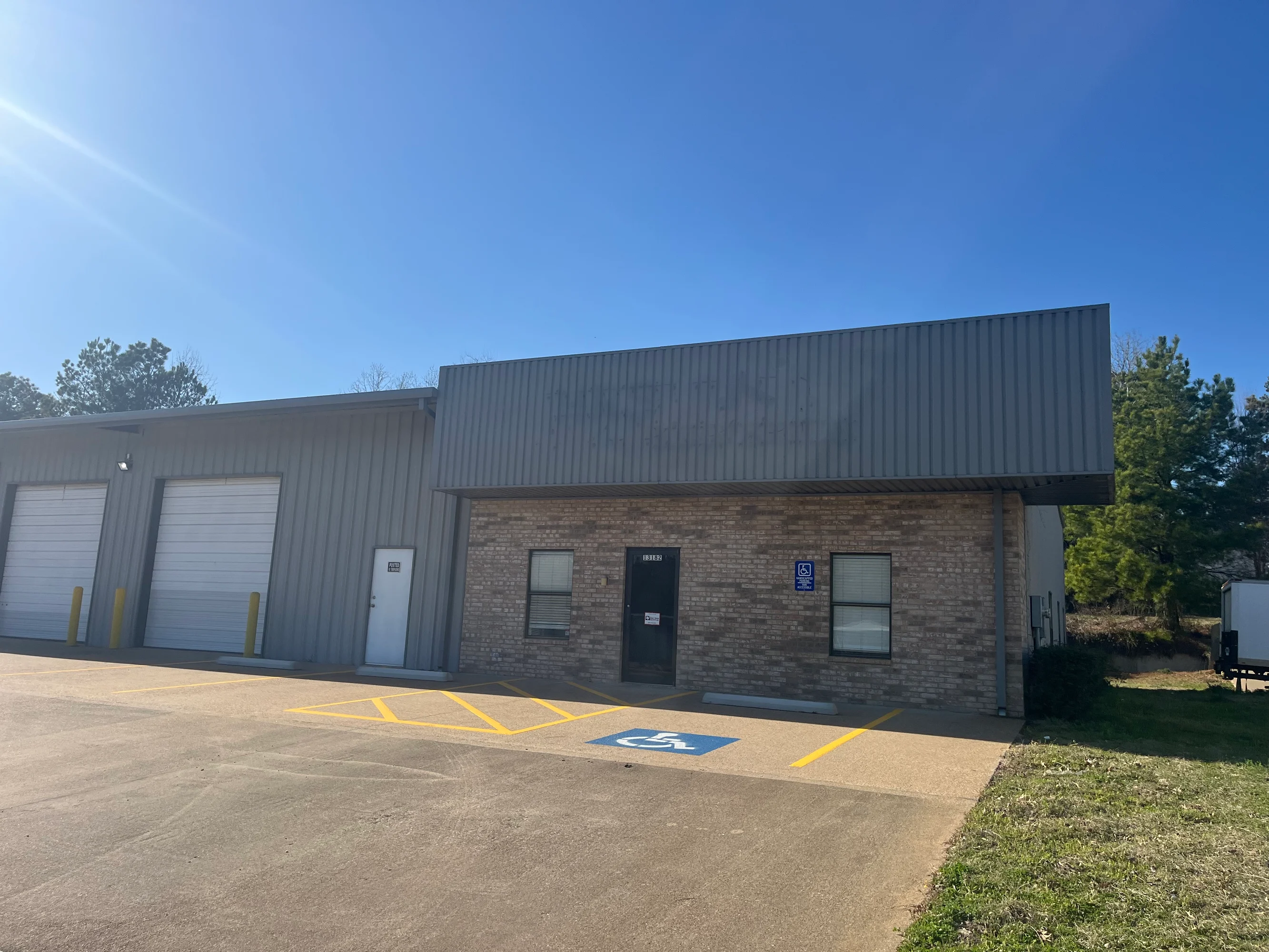
Highway 110 Industrial
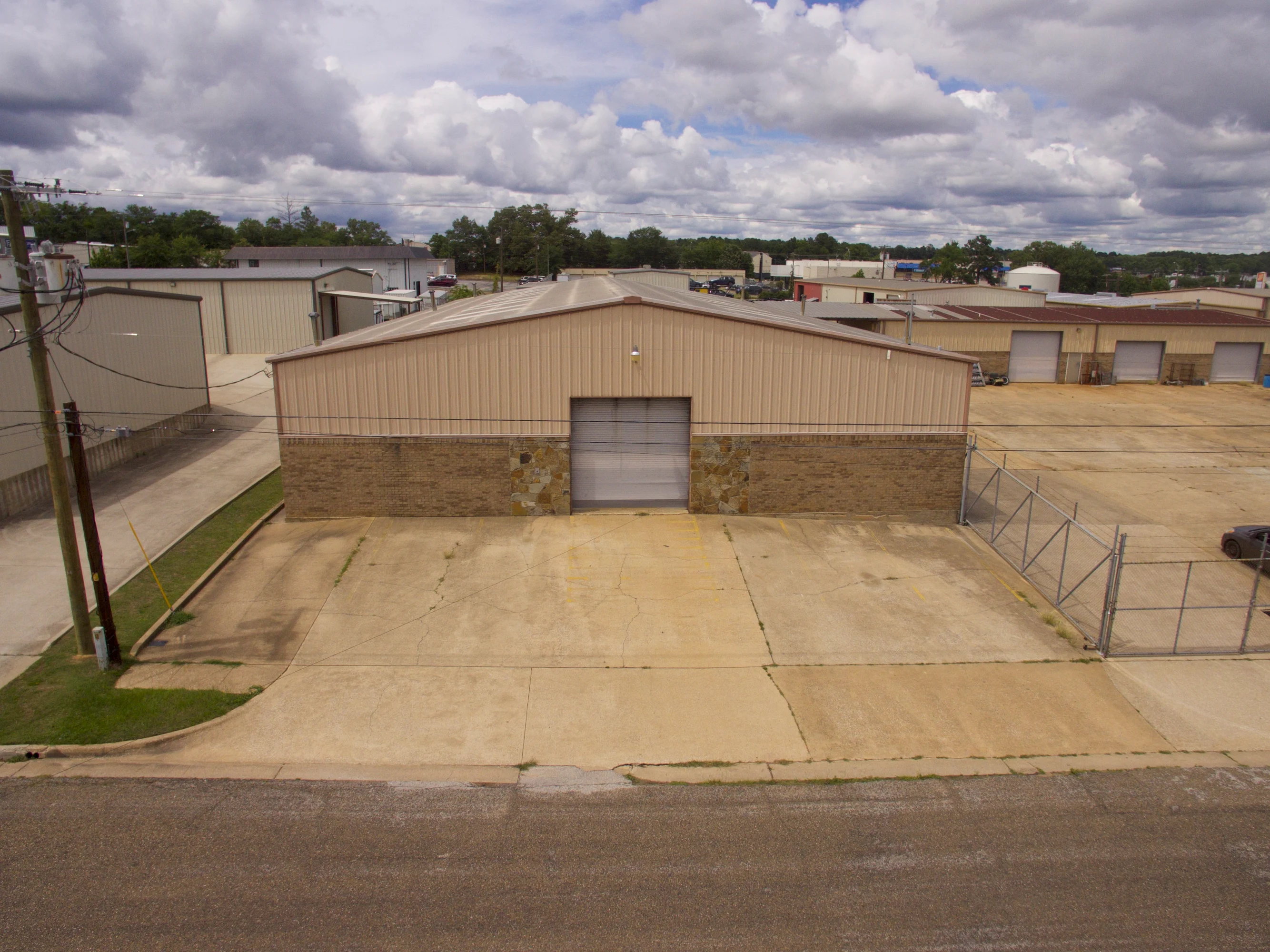
Candy Park Industrial Space
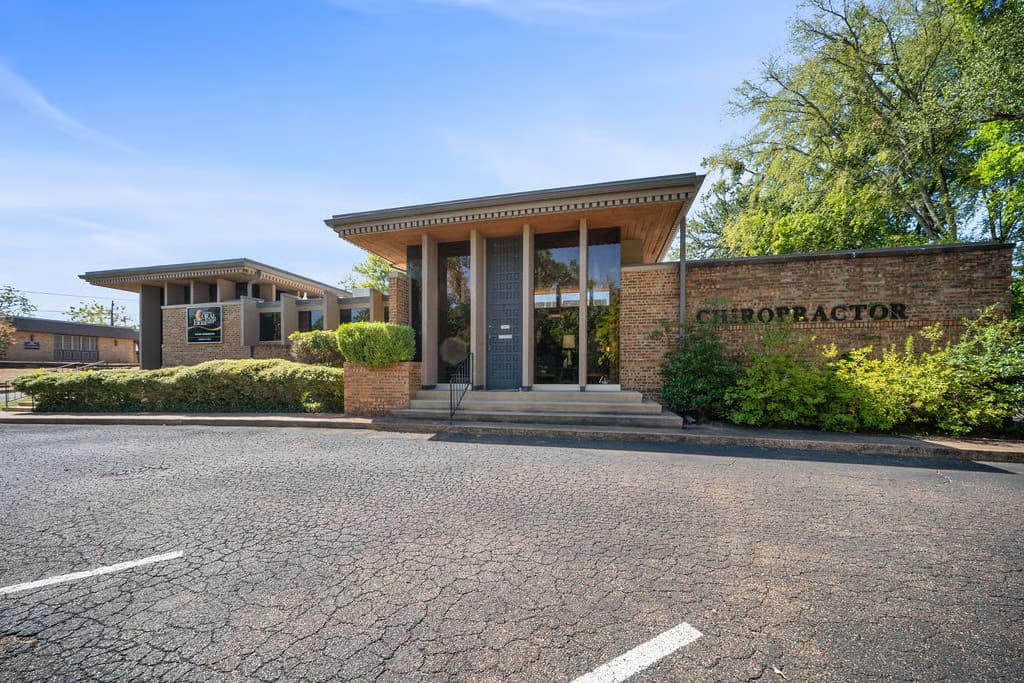
1215 Doctors Drive Medical Office
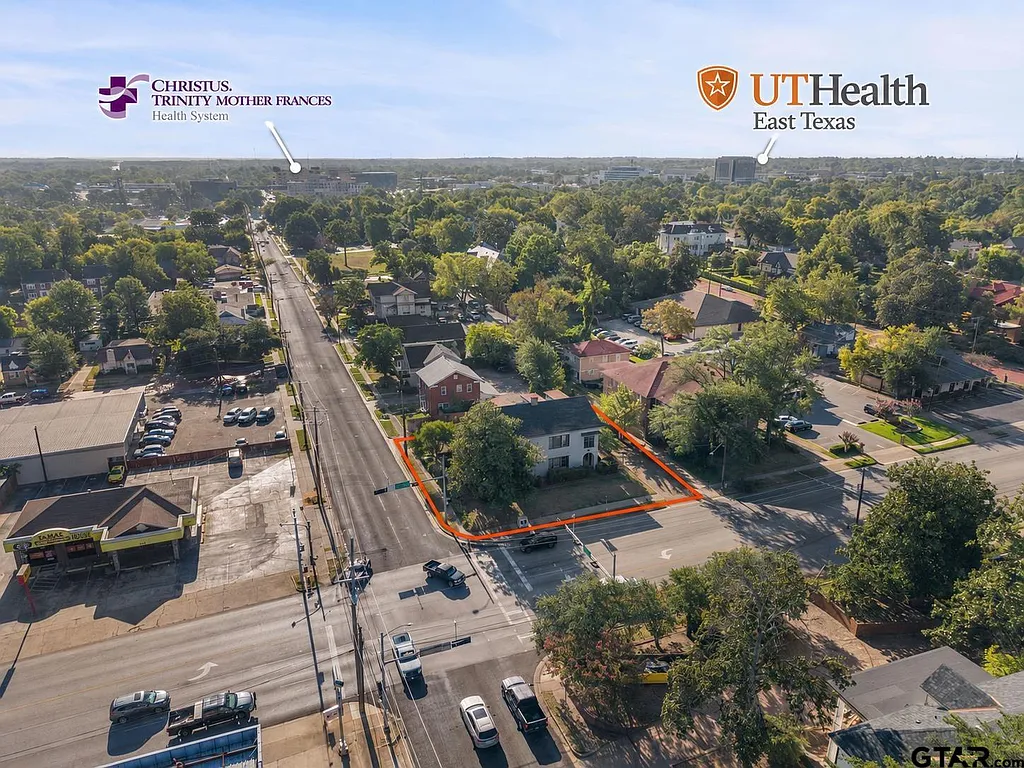
602 S. Broadway
If no property currently matches your requirement, the search doesn't end there — buyer and tenant representation extends across the broader Tyler market beyond our own listings.
How we help
Frequently asked questions about Tyler commercial real estate
What types of commercial real estate are available in Tyler, Texas?
The Tyler market includes office, medical office, industrial, warehouse, flex, retail, restaurant, land, multifamily, mixed-use, and other investment properties.
Is Tyler, Texas growing?
Yes. U.S. Census Bureau estimates put Tyler's population at approximately 113,700 in 2025, up about 7.4% from the 2020 estimate base.
What industries drive commercial real estate demand in Tyler?
Healthcare is a major economic anchor, while Tyler also has substantial employment in education, manufacturing, food processing, retail, distribution, government, professional services, and other industries.
What are the major commercial areas of Tyler?
Commercial activity occurs throughout Tyler, including South Broadway, Loop 323, Old Jacksonville Highway, downtown, medical areas, industrial areas, and growing southern and surrounding portions of the market. The relevance of each area depends heavily on the property type and business use.
Where is most retail property located in Tyler?
South Broadway and areas around major intersections and commercial corridors contain a substantial concentration of Tyler retail, but retail opportunities also exist throughout Loop 323, downtown, neighborhood commercial areas, and newer growth corridors.
Where should I look for office space in Tyler?
The answer depends on the business. Professional, medical, corporate, and owner-user office needs may favor different parts of Tyler based on client access, hospitals, parking, employee convenience, visibility, and cost.
Does Tyler have industrial real estate?
Yes. Tyler has manufacturing, warehouse, flex, distribution, and industrial land inventory serving regional businesses and larger employers. Highway access, loading, power, yard requirements, and building functionality are important considerations.
Is commercial land available in Tyler?
Yes. Commercial and development land is available both within Tyler and in surrounding growth areas. Each tract should be evaluated for access, utilities, site conditions, land use, infrastructure, and development economics.
Is Tyler a good market for commercial real estate investment?
Tyler offers commercial investment opportunities supported by regional employment, healthcare, education, retail activity, population growth, and a diverse local economy. That does not make every property a good investment. Individual assets still need to be evaluated based on income, expenses, leases, condition, location, price, and risk.
Should I buy or lease commercial property in Tyler?
The answer depends on capital, growth plans, occupancy timeline, financing, flexibility, available inventory, and long-term business objectives. Ihrig Properties can help compare the real estate considerations involved in both options.
How do I find commercial property for sale in Tyler?
You can begin with Ihrig Properties' active Tyler listings. Buyer representation can also help identify and evaluate opportunities across the broader market rather than limiting the search to one brokerage's inventory.
How do I find commercial space for lease in Tyler?
Start by defining your preferred area, space requirement, property type, budget, parking, access, occupancy timing, and other operational needs. A tenant representative can then help search and compare appropriate properties.
How do I know what my Tyler commercial property could sell for?
A commercial broker can prepare a market analysis or Broker Price Opinion using property information, comparable transactions, competing listings, income, occupancy, condition, location, and other market factors.
Does Ihrig Properties manage commercial property in Tyler?
Yes. Ihrig Properties provides commercial and multifamily property-management services in addition to brokerage and leasing.
Who is a commercial real estate broker in Tyler, Texas?
Ihrig Properties is a Tyler-based commercial real estate firm led by Cole Ihrig, SIOR, providing brokerage, leasing, investment sales, property management, tenant representation, site selection, and development advisory throughout Tyler and East Texas.
Commercial real estate decisions start with the property
Maybe you are searching for space, own a property and are weighing options, have an investment opportunity on your desk, or are considering development. You do not need to diagnose the real estate problem before calling. Start with the property and the objective — we'll help determine what needs to happen next.
Data sources & references
Market figures on this page are point-in-time estimates from public sources, reviewed September 2026. They should be verified for current decisions.